No. 14, Building 2, No. 367 Beijing Road, Chengdu Economic and Technological Development Zone (Longquanyi District)
Mining screens work in harsh conditions. Wet ore clings to apertures, abrasive rock wears contact surfaces, and a blocked panel can disrupt a steady feed. A Mdi Pu Screen Panel is often considered where operators need a resilient screening surface and practical maintenance. Its polyurethane construction can help resist abrasion and reduce noise compared with some traditional metal options. Performance still depends on the panel design, feed material, and operating conditions.
Alex Morgan is a fictional specialist voice created for this draft, not a verified industry source. The following line is an illustrative quotation, not a claim about something a real expert said: “A screen panel earns its place when it survives the feed and keeps sizing predictable.” That idea captures the trade-off. A panel must fit the deck, aperture requirements, and expected throughput; material alone cannot guarantee results. Check the supplier’s specifications against the mine’s actual conditions.
Operators may value modular panels because they can simplify replacement in some installations. Less noise can also improve the working environment near a screening deck. But polyurethane is not automatically the right choice for every application. High temperatures, unusual feed chemistry, or a need for very open screening may call for another solution. Small details matter: aperture shape, fastening method, panel thickness, and cleaning access can affect service life. Real-world results vary, and that deserves honest attention. This guide examines where Mdi Pu Screen Panel systems can help, what to verify before purchase, and where their limitations may become clear.
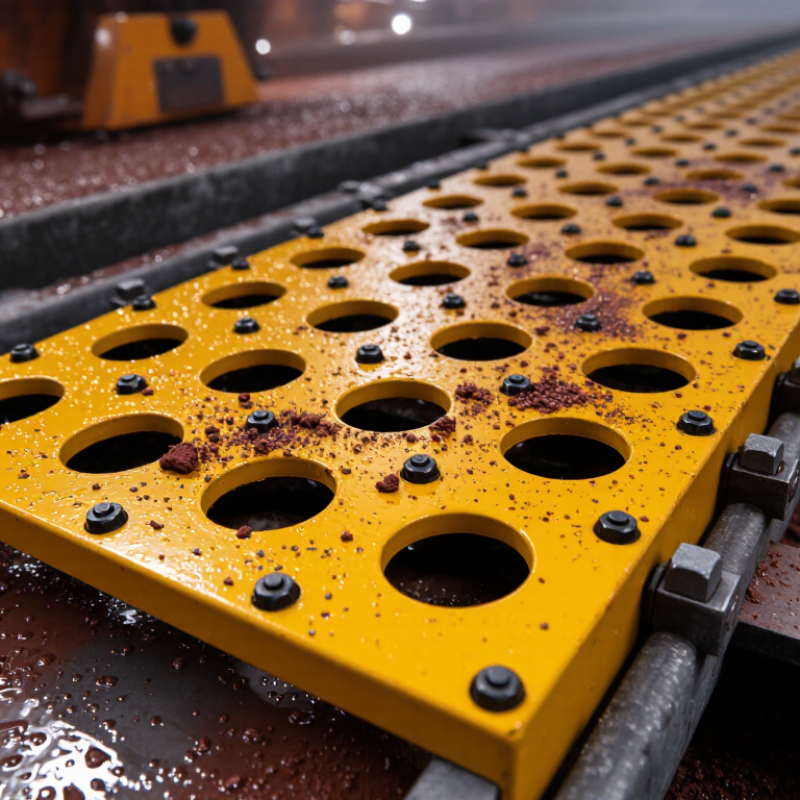
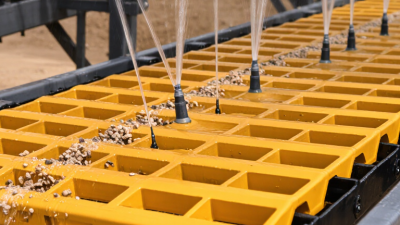
MDI PU screen panels are screening surfaces made from polyurethane elastomer formulated with methylene diphenyl diisocyanate. They sit across a vibrating screen deck, where shaped openings let smaller particles pass while larger pieces travel onward. Panel layouts vary, including square or slotted apertures, different thicknesses, and modular sections held by rails or clamps. The right design depends on feed size, moisture, screen motion, and the required separation. In practice, details matter. A wet, sticky feed may block openings even when the panel remains intact.
During operation, vibration moves material across the panel. Particles small enough to fit through an opening pass below the deck; larger pieces continue toward the discharge end. Flexible polyurethane can absorb repeated impacts from rock and may offer good abrasion resistance, but service life is never guaranteed. Aperture shape, support, tension, and operating conditions all affect performance. Operators can check for rounded openings, cracks, loose modules, and uneven wear during shutdowns. Those signs reveal more than appearance alone. Fine material can build up in damp conditions, and polyurethane may not suit every temperature or chemical exposure. Choose panels using measured feed characteristics and equipment guidance. That trade-off is easy to overlook.
MDI polyurethane screen panels support mineral separation through a balance of aperture size, open area, and panel flexibility. The aperture should match the target particle size, while the deck must retain enough strength for the expected feed load. Flexible polyurethane can absorb repeated impacts and resist abrasive wear, though its service life depends on ore, moisture, and operating conditions. Design matters. A carefully selected opening can help limit misplaced particles without restricting throughput. Yet no panel shape works equally well for every material.
Tips: Check aperture dimensions against actual feed samples, not just nominal specifications. Inspect for blinding, uneven wear, and loose supports during routine shutdowns. Small details matter.
Panel thickness and support spacing also affect separation. A thicker panel may last longer under impact, but it can reduce open area or alter screening behavior. Tighter support spacing may help control deflection. Operators should compare product sizing and throughput after installation, then adjust where practical. One overlooked issue is feed distribution: even a well-designed panel performs poorly when material piles up on one side. The best design is not always obvious at first, so record operating results and revisit assumptions as ore conditions change.
How Panel Design Supports Efficient Mineral Separation
This geometric model assumes a square aperture grid with a constant 4 mm rib width. Larger apertures increase the calculated open area, which can support higher material flow, while smaller apertures provide a finer separation cut. Actual screening results also depend on panel profile, material properties, feed conditions, and installation.
MDI PU screen panels combine a resilient polyurethane body with a firm screening surface. In mining, that balance can help absorb repeated impacts from falling ore while resisting abrasion from sharp, angular particles. Their flexibility may also reduce pegging and blinding when damp fines lodge in apertures. Less noise than many steel screening surfaces is another potential benefit, though actual levels depend on panel design and installation.
Throughput makes small performance differences matter. The USGS Mineral Commodity Summaries 2025 estimates global iron ore mine production at about 2.5 billion metric tons in 2024. That scale underscores why panel life and changeout time deserve attention. MDI PU panels can suit high-wear zones, but they are not a universal fix. Aperture shape, open area, feed moisture, particle size, and tensioning all affect results. A panel that lasts longer may still reduce capacity if its openings are poorly matched. Fit matters. Track wear, blinding, and throughput during site trials, then compare results with the existing deck. It is easy to focus on wear life alone; that can miss the operational trade-off.
Selecting MDI polyurethane screen panels starts with the feed, not the catalogue. Record particle-size distribution, moisture, abrasiveness, and peak throughput. The USGS Mineral Commodity Summaries 2024 estimated U.S. crushed-stone production at about 1.5 billion tons in 2023, illustrating the scale of aggregate handling. That national figure is context, not a design target for an individual screen.
Match aperture and panel thickness to the cut size and impact load. Smaller openings can improve separation, but may reduce open area and raise blinding risk with damp fines. Check the deck’s support bars, panel dimensions, fastening method, and tensioning system before ordering. A panel that fits on paper may still sit unevenly on a worn deck. Fit matters.
Ask for abrasion and operating-temperature data under conditions close to your own, then compare expected service life and changeout time. Review whether the panel can tolerate the site’s feed chemistry and cleaning methods. A short trial on one deck can reveal pegging, noise, or uneven wear that a sample cannot. I would not treat a supplier’s test result as a guarantee; field conditions vary, and wear records from your own shifts are often more useful.
| Selection factor | What to assess or specify | Why it matters | Practical check before ordering |
|---|---|---|---|
| Feed material and duty | Record material type, top particle size, feed rate, moisture, abrasiveness, and whether the duty is wet or dry. | These conditions affect wear, panel loading, screening efficiency, and the risk of blinding. MDI-based polyurethane is not a guarantee of suitability for every feed or operating condition. | Use representative operating data and, where possible, conduct a trial under the intended conditions. |
| Aperture size and shape | Specify the required opening size in millimetres and choose square, rectangular, or slotted openings to suit the separation task and particle shape. | The aperture controls the screening cut. Smaller openings can improve separation but may reduce capacity or increase pegging and blinding risk. | Confirm the opening dimensions and tolerances on the panel drawing; compare the selected aperture with the required product specification. |
| Open area and capacity | Compare the panel’s stated open area with the existing deck or alternative panel design. Open area is the sum of the openings divided by the panel’s total screening surface area. | Open area influences the available screening surface, but capacity also depends on feed rate, bed depth, particle size, moisture, and screen motion. | Request the open-area figure for the exact aperture, panel dimensions, and layout—not just a general product figure. |
| Panel dimensions and fastening | Check panel length, width, thickness, support spacing, modular layout, and the required fastening or tensioning arrangement. | A panel must fit the deck and remain securely supported. Incorrect dimensions or fastening can cause movement, premature wear, or damage to the screen and supports. | Measure the installed deck and verify the panel drawing, edge details, and fastening points before manufacture. |
| Hardness and panel construction | Review the specified polyurethane hardness, panel profile, thickness distribution, and reinforcement or backing design, if applicable. | Hardness and construction affect flexibility, impact response, wear behaviour, and support requirements. There is no single hardness that is best for every application. | Compare technical data for the exact panel design and assess it against the feed, impact level, and support arrangement. |
| Wear, impact, and service life | Track operating hours, tonnes processed, wear location, panel change frequency, and the cause of failure. | Polyurethane panels can offer abrasion resistance and reduced noise compared with some metal-screen arrangements, but actual service life depends on material and operating conditions. | Use site records or a controlled trial to compare service life and tonnes screened per panel in the same duty. |
| Blinding and pegging | Assess particle shape, near-size material, feed moisture, and the frequency of blocked openings. | Particles can lodge in openings, reducing effective screening area. Aperture shape and size may help, but no opening design prevents blinding in every feed condition. | Record the blocked-opening rate during operation and inspect whether a different aperture shape or screening setup is appropriate. |
| Operating environment | Check operating temperature and exposure to water, oils, chemicals, ultraviolet light, or other site-specific conditions. | Polyurethane formulations differ. Chemical and temperature compatibility should be confirmed for the specific compound rather than assumed from the MDI designation. | Obtain written compatibility limits for the proposed panel formulation and compare them with actual site conditions. |
| Noise and maintenance | Compare noise levels, inspection frequency, change-out time, and access requirements with the current screening arrangement. | Polyurethane may reduce impact noise in some installations, while modular panels can make local replacement practical. Results depend on the screen and installation. | Measure or document noise and maintenance time before and after a trial under comparable operating conditions. |
| Total operating cost | Include panel cost, installation labour, downtime, replacement frequency, and tonnes processed. | Purchase price alone does not show the economic value of a panel. Wear life and change-out downtime can materially affect operating cost. | Compare cost per tonne using: (panel cost + installation and change-out costs) ÷ tonnes processed during the panel’s service life. |
Installing MDI polyurethane screen panels correctly begins with checking the deck, support bars, and panel dimensions before lifting anything into place. Clean contact surfaces matter: trapped ore can create uneven pressure and accelerate wear. Follow the panel’s fitting instructions, secure each fastening point evenly, and check for movement after the first operating shift. Small details matter. A panel that fits on paper may still sit poorly on a worn support bar.
The scale of screening makes routine checks worthwhile. The U.S. Geological Survey’s Mineral Commodity Summaries 2024 estimated global iron ore mine production at about 2.5 billion metric tons in 2023. High-throughput circuits leave little room for unnoticed blinding, loose panels, or uneven wear. During planned shutdowns, inspect apertures, edges, fasteners, and under-panel buildup; record wear by deck position to spot recurring problems. The U.S. Mine Safety and Health Administration recorded 40 mining fatalities in 2023. Its data reinforce why isolation and site-specific lockout procedures must precede inspection.
Maintenance intervals should follow actual feed conditions, not a calendar alone. Abrasive ore, moisture, and impact can change wear patterns quickly. Flush or brush blocked apertures using methods approved for the panel material, and avoid tools that cut or gouge the polyurethane. Keep a spare panel available for critical decks. That costs storage space, and replacement timing is never perfect; still, waiting for a failure can disrupt production. Recheck tension after replacement, because a hurried fit can become tomorrow’s problem.