How to Choose the Right PU Screen Panel in 2026?
Choosing the right Pu Screen Panel in 2026 requires more than comparing prices or opening sizes. Mineral processing plants face harder operating conditions, stricter efficiency targets, and increasingly variable feed materials. The U.S. Geological Survey’s Mineral Commodity Summaries 2025 confirms the continuing importance of industrial minerals and metals across global supply chains. The International Energy Agency’s Global Critical Minerals Outlook 2024 also highlights rising pressure on mineral production and processing capacity. These trends make screening reliability a practical business issue, not a minor component decision.
A suitable panel must match the application. Check feed size, moisture, clay content, abrasion level, screen inclination, and tensioning method. A coarse iron ore feed may demand thick polyurethane ribs and reinforced fixing points. Wet sand may need larger apertures and better anti-blinding design. Field engineers often inspect worn edges, blocked openings, and uneven panel loading during routine shutdowns. Small details matter. Poor support can damage a good panel quickly. So can incorrect installation.
Industry reports provide useful direction, but they do not measure every Pu Screen Panel installation directly. That limitation deserves attention. Supplier claims may also reflect laboratory tests rather than your actual quarry conditions. A reliable selection process combines published data, site measurements, trial results, and maintenance records. In this guide, we examine panel materials, aperture profiles, wear performance, noise reduction, and total operating cost. The goal is not to choose the most expensive option. It is to choose a panel that performs consistently, fits the machine correctly, and remains practical for your real production environment.
What Is a PU Screen Panel and How Does It Work?
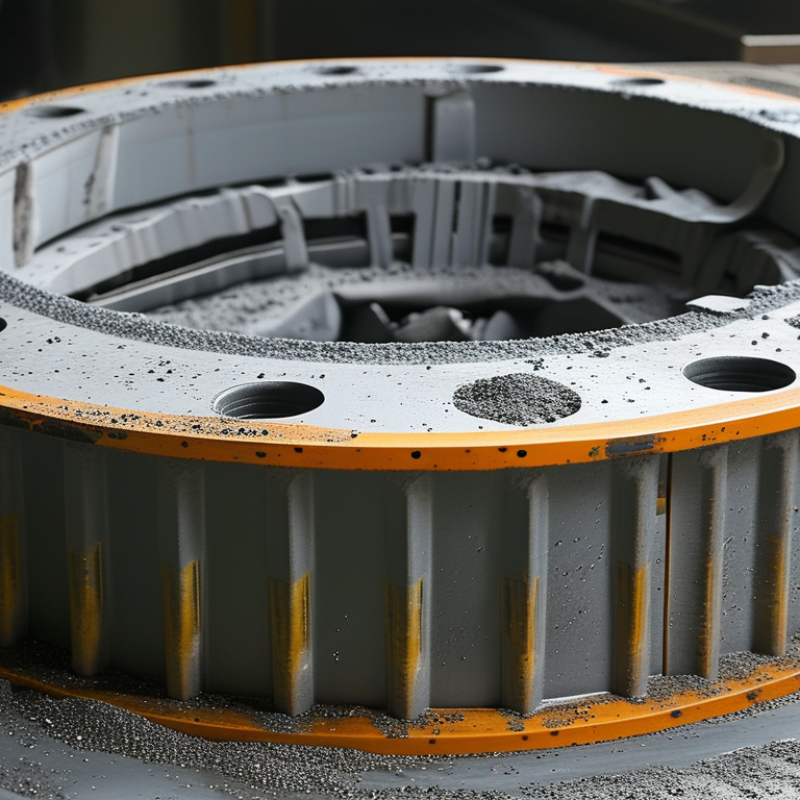
A polyurethane (PU) screen panel is a flexible screening surface made from wear-resistant elastomer. It contains molded apertures, usually square, slotted, or stepped. Feed material lands on the panel, then vibration moves smaller particles through the openings. Oversize particles travel forward. The panel’s elasticity can reduce blinding when wet clay or sticky fines cover the deck. It also absorbs impact better than many rigid metal screens. In practice, panel thickness, aperture shape, and support spacing control performance. The wrong combination can cause premature tearing.
The U.S. Geological Survey’s Mineral Commodity Summaries 2025 estimated U.S. construction sand and gravel production at about 960 million metric tons in 2024. That volume shows why small screening losses matter. A PU panel should match the material’s abrasiveness, moisture, feed size, and required separation. For abrasive stone, thicker sections may last longer, but they can reduce open area. For damp aggregates, larger slotted apertures may improve flow. ASTM E11 provides useful guidance for test sieve openings, although production panels do not always copy laboratory sieves exactly. Field inspection remains essential. Check worn edges, blocked apertures, loose fixing points, and uneven feed distribution. A panel can appear intact while its openings gradually deform. I have seen specifications focus too heavily on hardness. That is not enough. Temperature, impact energy, deck angle, and cleaning practices also influence service life. Some selection decisions still depend on trial data, which is inconvenient but honest.
Which Material and Design Features Affect Screening Performance?
Choosing the right PU screen panel in 2026 starts with the feed, not the catalog. USGS Mineral Commodity Summaries 2025 estimated U.S. crushed stone output near 1.5 billion metric tons in 2024. That scale makes abrasion, impact, and uptime practical concerns. Polyester polyurethane often provides strong abrasion resistance. Polyether grades generally resist hydrolysis better in wet circuits. Check the chemistry, however. Oils, fillers, heat, and moisture can change performance. A harder panel is not always better.
Grand View Research’s 2024 polyurethane market assessment valued global demand at roughly 78 billion dollars in 2023. Construction remained a major application. This broad figure does not predict screen life. It does show why grade-specific testing matters. I would request Shore hardness, tensile strength, tear resistance, and abrasion results under actual feed conditions. A laboratory result can still miss field moisture. That weakness deserves attention.
Aperture geometry controls more than nominal size. Tapered openings can reduce pegging and improve particle release. Excessive taper may reduce support, though. Open area affects capacity directly. Thick panels survive impact better but may restrict flow. For wet classification, select hydrolysis-resistant PU with drainage-friendly profiles. Sticky fines may need larger apertures and anti-blinding layouts. Modular fastening also matters near impact zones. Loose support creates premature cracking. ISO 17827-1 testing can improve comparisons, but field trials remain necessary. My preference is a staged trial: one panel, one shift, and measured wear.
How to Choose the Right PU Screen Panel in 2026?
Calculated open-area comparison for polyurethane screen panels with different aperture sizes and rib widths.
The chart uses the geometric open-area formula
open area = [aperture ÷ (aperture + rib width)]² × 100.
Larger apertures increase potential throughput, while wider ribs reduce open area but can improve panel support and durability.
PU material selection mainly affects abrasion resistance, elasticity, impact damping, and resistance to blinding; actual screening efficiency also depends on feed size, moisture, vibration, and operating conditions.
How to Match Panel Types with Different Screening Applications
Choosing the right PU screen panel in 2026 starts with the feed, not the catalog. USGS Mineral Commodity Summaries 2024 estimated U.S. crushed-stone output at about 1.5 billion metric tons in 2023. That volume makes impact resistance, abrasion control, and uptime essential. For primary scalping, choose thick, high-impact modular panels with larger apertures. They handle coarse rock and allow quick replacement. Tensioned PU panels can suit large decks with consistent feed. For secondary aggregate screening, use thinner modular panels and tighter apertures. Check the actual top size, not the crusher’s nominal setting. A 10 mm aperture can blind quickly when clay coats the feed.
Wet classification needs a different match. Slotted or dewatering PU panels release water while retaining coarse solids. Fine, sticky material may need tapered apertures or a flexible flip-flow design. These options reduce pegging, but tension can increase wear. Harder is not always better. For abrasive ores, confirm hardness through a controlled trial. The IEA Global Critical Minerals Outlook 2024 projects lithium demand could grow ninefold by 2040 under its stated-policies scenario. Recoverable fines may therefore carry greater value. Still, a longer-lasting panel that lowers recovery is a poor purchase. Record moisture, particle-size distribution, throughput, spray pressure, and wear. Apply ISO 17892-4 principles where suitable. I still see teams choosing panels by price and color. That shortcut fails. A seven-day site trial beats confident guesswork.
How to Evaluate Wear Resistance, Open Area, and Cost
How to Choose the Right PU Screen Panel in 2026?
Wear resistance should match the actual screening duty, not just a catalog rating. Check feed size, impact force, moisture, and abrasive mineral content. A harder PU panel may resist cutting, but excessive hardness can reduce flexibility. Inspect the panel after 30 days. Look for thinning around apertures, torn edges, and blocked openings. Measure the remaining thickness with a simple gauge. Keep records.
Open area directly affects capacity and product separation. Larger openings can increase throughput, but they may reduce screening accuracy. Smaller openings improve control, yet they can cause blinding when the feed is wet or sticky. Compare the panel’s advertised open area with its usable area after installation. Frame supports and tensioning can reduce the effective opening. This detail is often missed.
Cost needs a wider calculation. Include purchase price, installation time, cleaning, replacement frequency, and lost production. A cheaper panel may become expensive after several short service cycles. Compare cost per screened tonne rather than cost per panel. I have seen wear data look impressive while poor aperture design caused early blockage. Laboratory results help, but site evidence matters more. Choose a panel that fits your feed conditions, maintenance habits, and required separation accuracy. Recheck the decision when the material changes.
How to Install, Inspect, and Replace PU Screen Panels Properly
How to Choose the Right PU Screen Panel in 2026?
How to Install, Inspect, and Replace PU Screen Panels Properly
Choosing a PU screen panel starts with the machine, material, and required separation size. Check the panel aperture, thickness, open area, and hardness against your operating conditions. A fine aperture may improve classification, but it can blind faster with wet feed. Confirm the support pattern before ordering. Small dimensional errors can cause movement, leakage, or premature wear.
Installation must begin with a clean screen deck. Remove old material from support bars and check for bent sections. Isolate the machine and release stored tension before handling panels. Seat every panel firmly, then inspect locking edges and contact points. Do not force a panel into position. It may fit today and fail after several hours. After starting the screen, stop and recheck the panels for lifting, unusual noise, or material bypass.
Tips: Mark the installation date and panel position. Inspect exposed edges after the first hour, then during each shift. Look for cracks, stretched openings, loose locks, and uneven wear. A simple photograph can reveal gradual changes better than memory. No checklist is perfect. I have seen experienced operators miss a loose edge because the surface looked clean. Replace a panel when wear affects separation, support contact, or structural strength. Shut down safely, remove surrounding panels only when necessary, and clean the deck before fitting the replacement. Recheck alignment and fasteners before returning the screen to service.
 No. 14, Building 2, No. 367 Beijing Road, Chengdu Economic and Technological Development Zone (Longquanyi District)