What is the Best Fine Mesh Screen for Your Needs?
When it comes to choosing the right Fine Mesh Screen, many factors come into play. Your specific needs will determine the best option. A well-selected screen can improve airflow, provide protection, and filter out unwanted particles. Fine mesh screens are versatile, used in various applications, from gardening to home improvement.
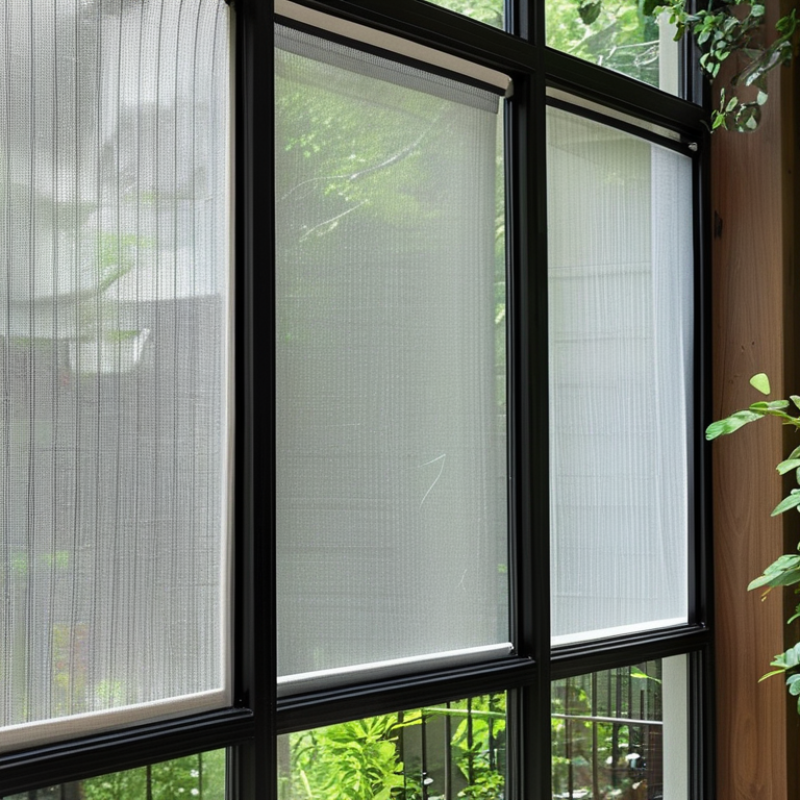
Understanding your requirements is crucial. Are you protecting outdoor spaces from insects? Are you focused on improving ventilation and light? Different materials and mesh sizes cater to distinct needs. For example, stainless steel is durable and resistant to rust, while fiberglass is lightweight and easy to handle.
Making an informed choice can be challenging. With numerous options on the market, evaluating quality versus price is essential. Research and testing can help in finding a reliable Fine Mesh Screen. Don’t overlook the importance of customer reviews and expert opinions. They offer insights into the durability and performance of specific products. Your application deserves attention to detail. Choosing the right screen can enhance functionality and aesthetic appeal.
Understanding Fine Mesh Screens: Types and Materials
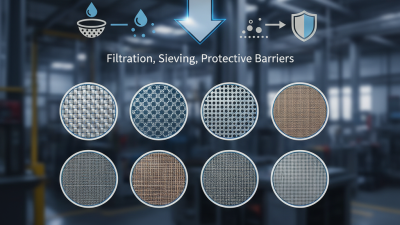
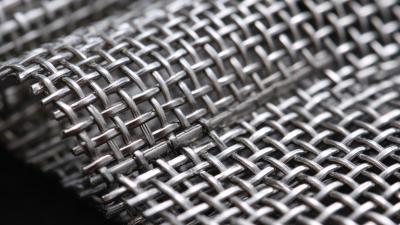
Fine mesh screens play an important role in various applications, from gardening to construction. Understanding the types and materials available can help you make informed choices. They come in steel, nylon, and polyester, each offering unique benefits. Steel screens are incredibly durable and ideal for heavy-duty uses. They resist wear and tear but can rust without proper treatment.
Nylon and polyester screens are lighter and more flexible. They excel in applications like gardening, where fine particles need to be filtered out. However, they may not withstand heavy pressure like their steel counterparts. Choosing the right mesh depends not only on durability but also on what you want to filter out.
It’s important to consider the mesh size. Finer meshes capture smaller particles but may reduce airflow. This can be a drawback in certain installations. Sometimes, a medium-sized mesh might balance filtration and airflow better. Reflect on your specific needs. Are there trade-offs to consider? Understanding your priorities will guide you in selecting the right fine mesh screen for your projects.
Key Factors to Consider When Choosing a Fine Mesh Screen
When selecting a fine mesh screen, several key factors become essential. The most crucial aspect is the mesh size. Industry reports show that a mesh size of 100 to 400 microns is commonly preferred for various applications. This range effectively balances filtration and airflow. A finer mesh can trap smaller particles but may restrict airflow, leading to clogs.
Material choice also plays a significant role. Stainless steel screens are durable and resistant to corrosion, while nylon options are lighter and easier to clean. A study highlighted that stainless steel lasts 50% longer than nylon in demanding environments. This durability can reduce replacement costs over time, adding to its value. However, the initial cost is often higher for stainless steel, which may require careful consideration.
Finally, consider the screen's intended use. In construction, a sturdier screen is necessary. For home baking, a lighter mesh suffices. Experts recommend testing a few options before making a final decision. Users frequently find that what seems ideal may not perform as expected. Adjusting your choice based on practical experiences can lead to better outcomes.
Comparison of Fine Mesh Screen Materials
Applications of Fine Mesh Screens in Various Industries
Fine mesh screens play a crucial role across various industries, from food processing to pharmaceuticals. In food production, they filter out contaminants, ensuring safety and quality. A fine mesh screen can separate fine particles from liquids, which is essential for producing clear liquids, such as juices or oils. In pharmaceuticals, these screens help maintain stringent standards for particle size in active ingredients.
When choosing a fine mesh screen, consider the material and mesh size. Stainless steel is often favored for its durability and resistance to corrosion. Meanwhile, nylon mesh offers flexibility for different applications. A larger mesh size will allow more liquid flow, but may not filter out smaller particles effectively.
**Tip:** Always perform a test run before full-scale use. This can help identify potential issues in filtration efficiency. Additionally, consult professionals in your field for insights on the appropriate mesh for your specific needs. Understanding the unique requirements of your application can prevent costly mistakes.
What is the Best Fine Mesh Screen for Your Needs? - Applications of Fine Mesh Screens in Various Industries
| Industry |
Application |
Mesh Size (Microns) |
Material |
Key Features |
| Food Processing |
Filtration of food particles |
100-200 |
Stainless Steel |
Corrosion resistant, easy to clean |
| Pharmaceuticals |
Characterization of powder |
10-40 |
Nylon |
High durability, accurate measuring |
| Mining |
Ore separation |
150-300 |
Polyester |
Lightweight, high tensile strength |
| Chemical Processing |
Liquid filtration |
5-100 |
Polypropylene |
Chemical resistant, lightweight |
| Environmental |
Wastewater treatment |
30-500 |
Stainless Steel |
Rust proof, durable in extreme conditions |
Maintenance and Care Tips for Fine Mesh Screens
Fine mesh screens are essential for various applications, but proper maintenance is crucial. Regular cleaning prevents debris buildup, ensuring optimal performance. Use a soft brush or cloth to remove dirt and dust. If the screen is particularly dirty, a gentle soapy water solution can help. Always rinse thoroughly to avoid residue.
Inspecting your fine mesh screen for damages is vital. Look for tears or holes that may affect its efficiency. If you find any issues, repair or replace the screen as needed. Proper storage is also important when not in use. Keep your screens in a dry, cool area to prevent warping. Taking these simple steps can extend the life of your fine mesh screen, enhancing its effectiveness. Regular care will also improve its overall reliability, allowing you to enjoy the benefits for longer periods.
Comparative Review of Popular Fine Mesh Screen Brands
When selecting a fine mesh screen, various brands offer distinct features that cater to different needs. A key factor is the mesh material. Some screens use stainless steel, ensuring durability and corrosion resistance, while others might focus on synthetic fibers, which can be lighter and easier to handle. Users may find themselves prioritizing one aspect over another, such as longevity versus ease of cleaning.
Another consideration is the screen's aperture size. A fine mesh with smaller openings helps filter out more debris, making it ideal for specific tasks. However, smaller apertures can lead to a decrease in airflow, which may not suit everyone. It’s critical to assess what balance fits your requirements. Many users report dissatisfaction when the chosen mesh does not meet their intended use, highlighting the importance of informed choices.
Installation is another area where brands diverge. Some offer simple, ready-to-install options, while others require custom fittings. Users might find it challenging to determine how much effort they are willing to invest. Seeking guidance from experienced users or reviews can help clarify which options truly deliver on their promises, making the decision-making process less daunting. Balancing performance with practicality is essential when choosing the right fine mesh screen for your unique applications.
 No. 14, Building 2, No. 367 Beijing Road, Chengdu Economic and Technological Development Zone (Longquanyi District)