Top Quality Pu Screen Panel for Global Suppliers?
In recent years, the demand for high-quality Pu Screen Panels has surged globally. Industry reports indicate a projected market growth rate of 5.8% annually. This growth stems from the increasing need for durable and versatile screening solutions in various sectors, including construction and agriculture. Manufacturers are responding to this surge by enhancing the quality and efficiency of their Pu Screen Panels.
Quality matters significantly in the production of Pu Screen Panels. Research shows that panels with superior tensile strength and resistance to wear can outperform standard options by over 30%. This quality often translates into better performance and lifespan, compelling suppliers to focus on advanced technologies and materials. However, not all suppliers manage to meet these high standards. Some still rely on outdated processes that yield inconsistent results.
While many suppliers already offer good products, challenges remain. There is often a gap between production capabilities and customer expectations. Suppliers must frequently reassess their methods to ensure they align with market needs. This reflection is vital for achieving sustained growth and maintaining a competitive edge in the Pu Screen Panel market.
Understanding PU Screen Panels: Composition and Types
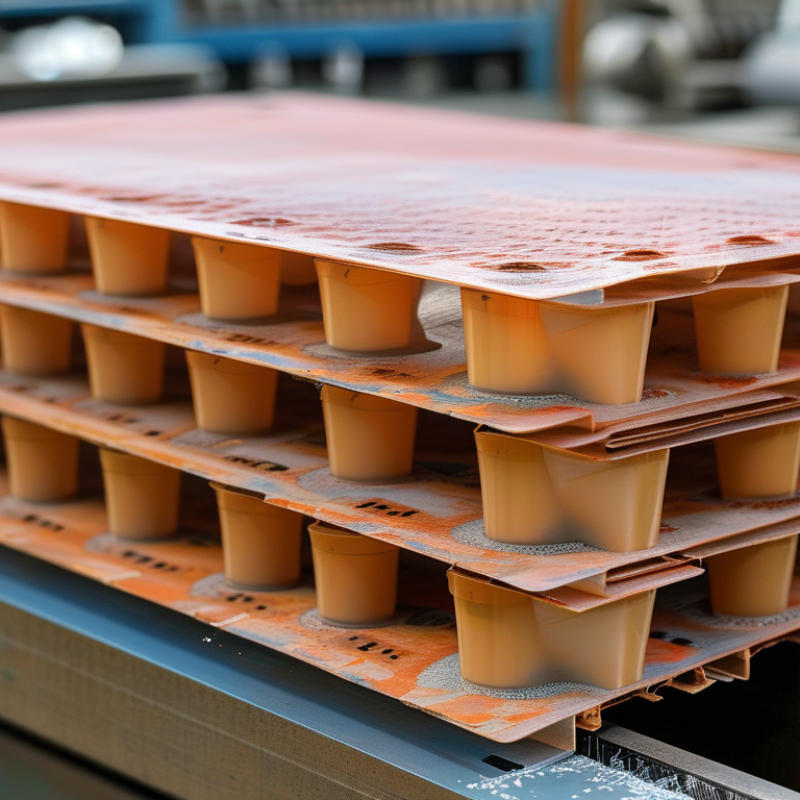
PU screen panels, made from polyurethane, are widely used in various applications, including construction and manufacturing. These panels offer durability and flexibility, making them a preferred choice among global suppliers. The composition of PU screen panels includes a significant proportion of polyols and isocyanates. This combination provides resistance to abrasion and chemical exposure.
The types of PU screen panels vary, including solid, perforated, and composite options. Each type serves specific purposes. For example, solid panels are ideal for structural applications, while perforated panels allow for ventilation and separation. According to a recent industry report, the demand for PU materials is expected to increase by 5% annually through 2025. This growth reflects their expanding role in modern engineering.
Tips: When selecting PU screen panels, consider the environmental factors. UV exposure can degrade some materials, decreasing their lifespan. Additionally, assess the load-bearing requirements of your project; choose panels that match your strength needs for optimal performance. Ensure you source from reliable suppliers to guarantee quality and compliance with safety standards.
Top Quality PU Screen Panels: Composition and Types
Global Demand for PU Screen Panels in Various Industries
The global demand for PU screen panels is steadily increasing across various industries. Data from industry reports indicates a projected growth rate of 5.5% annually over the next five years. This growth arises from the rising need for lightweight, durable materials in construction and manufacturing. PU screen panels are versatile, suitable for applications in filtration, acoustics, and even artistic design.
In the construction sector, PU screens are favored for their strength-to-weight ratio. They provide excellent insulation and weather resistance. Reports highlight that about 60% of construction managers now prefer PU materials for both aesthetic and functional benefits. Other sectors, such as automotive and electronics, are also adopting PU panels due to their customizable features.
However, challenges remain. Sourcing high-quality raw materials can be inconsistent. There are also concerns regarding sustainability. While PU panels offer several advantages, their production processes must be more eco-friendly. This presents an opportunity for innovation that the industry must address. The demand for PU screen panels shows promising trends, but a thoughtful approach is necessary for its future.
Top Quality PU Screen Panel for Global Suppliers
| Industry |
Application |
Global Demand (Units) |
Region |
Market Growth (%) |
| Construction |
Formwork and Scaffolding |
500,000 |
North America |
5.2 |
| Mining |
Screening and Separation |
300,000 |
Asia Pacific |
7.0 |
| Manufacturing |
Vibration Isolation |
400,000 |
Europe |
6.5 |
| Agriculture |
Protective Screens |
200,000 |
Latin America |
4.8 |
| Energy |
Wind Turbines |
250,000 |
Middle East |
8.0 |
Key Features and Advantages of High-Quality PU Screen Panels
High-quality PU screen panels have become essential in various industries, offering numerous benefits that enhance functionality and durability. According to market research from Reports and Data, the global demand for PU screen panels is projected to grow by 4.5% annually. This growth reflects their significant role in sectors like construction, automotive, and consumer electronics.
One key feature of PU screen panels is their excellent impact resistance. This durability makes them suitable for high-traffic environments. They can withstand wear and tear better than traditional materials. Additionally, their water-resistant properties contribute to increased longevity. In factory settings, where exposure to various substances is common, PU panels maintain their integrity longer. A report from Smithers states that the performance of PU materials can last 17% longer in extreme conditions compared to alternatives.
Moreover, adaptability stands out as an advantage. PU screen panels can be customized in thickness, color, and texture. Manufacturers are increasingly focused on user needs. However, there are challenges in achieving the balance between customization and cost. Industry players must carefully consider the trade-offs involved. As the market matures, finding the right suppliers remains an ongoing task for many stakeholders in the sector.
Selecting Reliable Suppliers for PU Screen Panels Worldwide
When selecting reliable suppliers for PU screen panels worldwide, it’s essential to weigh various factors.
Experience matters. Suppliers with a proven track record can better meet your needs.
A review of case studies can shed light on their expertise.
Check if they have a portfolio showcasing their work. Reliable suppliers will have quality certifications.
These certifications often indicate adherence to industry standards.
Another critical aspect is communication. Suppliers should respond promptly and clearly. Misunderstandings can lead to costly mistakes.
Establishing a good line of communication is crucial for project success.
Additionally, consider geographic location. Local suppliers can offer faster shipping and better service.
However, global suppliers may provide more extensive options.
Pricing must also be scrutinized. Low-cost suppliers may compromise on quality, leading to regrets.
It's a balance of cost and reliability. Reflections on previous experiences with suppliers can provide valuable insights.
Trust your instincts but substantiate them with research. Supplier selection is not an exact science, and it requires continuous evaluation and adjustment.
Future Trends and Innovations in PU Screen Panel Technology
The future of PU screen panel technology is bright and dynamic. Innovations in material science are leading to improved durability and flexibility. This results in products that not only last longer but also perform better in various environments. The integration of smart technology is another exciting trend, allowing for enhanced interactivity. Imagine screens that can adapt to their surroundings, offering better visibility and energy efficiency.
Sustainability is becoming a key focus in this industry. Many manufacturers are exploring eco-friendly materials and processes. Consumers are more aware of their choices than ever before. They seek products that minimize environmental impact while maintaining quality. However, the challenge remains. Balancing cost and innovation is not straightforward. Some suppliers struggle to incorporate these advancements without increasing prices. This raises questions about accessibility for smaller businesses.
Moreover, there are still technical hurdles to overcome. The perfect balance between quality and performance is elusive. As manufacturers strive for excellence, they must also address potential scalability issues. Not every innovation will suit every market. Reflecting on these challenges is essential for future progress in PU screen panels. The pathway forward is complex, requiring collaboration and creativity from all stakeholders.
 No. 14, Building 2, No. 367 Beijing Road, Chengdu Economic and Technological Development Zone (Longquanyi District)