Top 10 Iron Ore Screening Equipment Manufacturers?
Iron Ore Screening shapes the efficiency, stability, and product quality of a modern mining circuit. Screens remove oversize rocks, control feed size, and protect downstream crushers. A small design error can create visible losses. Think of blocked apertures, vibrating decks, and dust-covered inspection points.
Dr. Tim Napier-Munn, a respected mineral-processing expert and author, once observed, “Screening is simple in principle, but difficult to perform well in practice.” That practical warning still matters. An effective screen must match ore characteristics, moisture levels, capacity targets, and maintenance conditions. Laboratory data alone cannot explain every field problem. Real experience matters.
This guide examines the Top 10 Iron Ore Screening Equipment Manufacturers through a practical industry lens. It considers screening accuracy, machine durability, energy use, wear-part availability, automation, and after-sales support. It also compares equipment suited to primary crushing circuits, fine screening duties, and high-tonnage operations. The list is not absolute. No ranking is perfect. Supplier performance can change by region, application, and service team.
Reliable evaluation requires more than impressive brochures. Buyers should inspect operating references, test material behavior, review vibration performance, and calculate total ownership cost. A cheaper screen may demand more frequent maintenance. That hidden cost matters. Conversely, premium equipment may not suit every mine, especially where local support is limited. This introduction sets a balanced foundation for comparing leading manufacturers and identifying the equipment characteristics that genuinely improve iron ore processing performance.
What Is Iron Ore Screening Equipment?
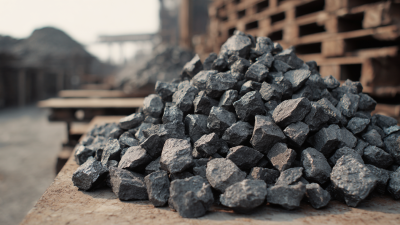
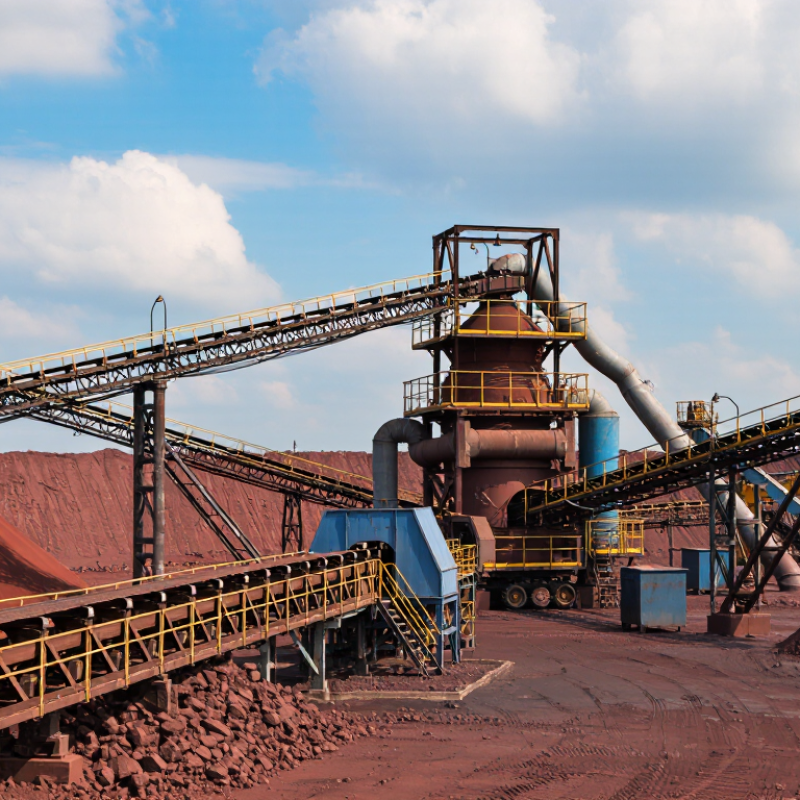
Iron ore screening equipment separates mined ore by particle size before crushing, beneficiation, or stockpiling. Common systems include grizzly screens, vibrating screens, and trommel screens. Each uses openings, vibration, and material flow to classify ore. Oversized rocks remain on the deck, while smaller particles pass through the mesh.
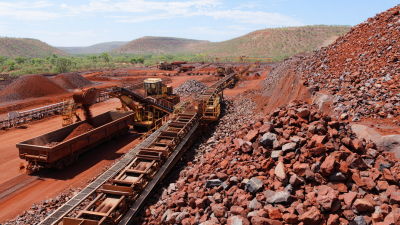
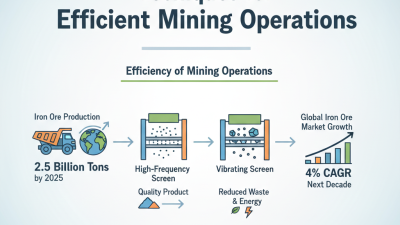
The scale is substantial. The U.S. Geological Survey reported about 2.5 billion metric tons of global iron ore mine production in 2023. The World Steel Association recorded 1.849 billion tonnes of crude steel production that year. These figures explain why screening accuracy affects energy use, crusher loading, and product consistency.
In plant practice, damp ore can blind the screen surface and reduce capacity. A screen may look efficient on paper, yet perform poorly during rainy shifts. That is an important weakness in many equipment comparisons.
Tips:
Check feed moisture, lump size, and required throughput before choosing equipment. Measure the cut size with real samples, not assumptions. Inspect side plates, springs, bearings, and screen panels regularly. A small tear can send oversize material downstream. Operators should also review vibration settings and deck angle. These details often matter more than advertised capacity.
Key Equipment Types Used in Iron Ore Processing
Iron ore screening equipment determines how efficiently valuable ore moves through the processing circuit. Common equipment includes grizzly screens, vibrating screens, banana screens, and trommels. Grizzly screens remove large rocks before crushing. Vibrating screens separate crushed ore by size with controlled deck openings. Banana screens handle high-capacity feeds and reduce bed depth as material travels. Trommels can work with damp material, although they may require more space. Screen selection depends on feed size, moisture, capacity, and the required product range.
Wet screening uses spray bars to remove clay and fine impurities. Dewatering screens then reduce surface water before stockpiling or further separation.
High-frequency screens suit finer iron ore fractions, while flip-flow screens can manage sticky or difficult material. In practice, aperture shape matters as much as machine size. A screen that looks powerful may perform poorly when feed moisture changes. This is an often-overlooked weakness in equipment planning.
Tips: Check material samples across different seasons. Measure moisture, bulk density, and top-size rocks before choosing equipment. Inspect spring systems, panels, bearings, and spray nozzles regularly. Keep spare screen panels available. Small tears can quickly affect product quality. Safety guards and isolation procedures must remain in place during maintenance.
Top 10 Iron Ore Screening Equipment Manufacturers
Top 10 Iron Ore Screening Equipment Manufacturers
Selecting the top ten iron ore screening equipment manufacturers requires more than comparing catalogue capacity. The USGS Mineral Commodity Summaries 2025 reports global iron ore mine production near 2.5 billion metric tons in 2024. This scale increases demand for reliable screening, especially before crushing, stockpiling, and shipping.
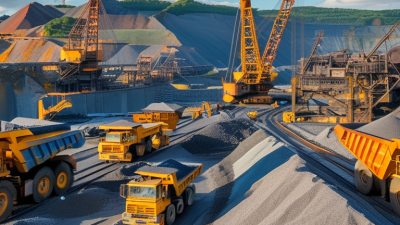
A practical ranking should examine screen throughput, aperture control, wear resistance, dust management, and service response. The leading ten manufacturers typically provide vibrating screens, scalping units, mobile systems, and modular plants. Their equipment must handle wet ore, sticky fines, and uneven feed sizes. Field experience matters here. A screen that performs well in a laboratory may struggle beside a rainy open-pit mine.
Energy use deserves closer attention. The International Energy Agency identifies mining efficiency as an important pathway for reducing industrial emissions. Efficient screening can lower recirculation, reduce crusher load, and limit unnecessary material movement. Yet performance claims need independent testing. Some specifications appear impressive, but they may assume ideal feed conditions. That is where buyers can misjudge value. Requesting site references, measured availability, and maintenance records creates a more reliable comparison.
How to Compare Manufacturers and Screening Solutions
Comparing the top ten iron ore screening equipment manufacturers requires more than checking advertised capacity. Start with the ore itself: feed size, moisture, clay content, bulk density, and abrasiveness. Dry hematite behaves differently from sticky, weathered ore. Ask each manufacturer for test results using comparable material. Generic laboratory figures can mislead.
Review screen design, not only machine size. Check deck area, aperture shape, vibration pattern, stroke, and motor efficiency. Ask how the unit handles a sudden surge from the primary crusher. Inspect wear liners, screen media, bearings, and access points. Small maintenance details matter. A five-minute media change can save hours across a month. Compare throughput at the required separation efficiency, not maximum feed rate. Request energy use per tonne and expected media life.
Manufacturer reliability also depends on engineering support. Check installation records, commissioning procedures, spare-parts availability, and response times. Speak with operators at sites processing similar ore. Their comments may expose weaknesses hidden in sales documents. Evaluate guarding, dust control, noise, and applicable workplace standards. A low quote may become expensive after redesigns or unsuitable media appear. One test campaign rarely represents every season. Repeat trials during wet conditions, and record every change in feed behavior.
Selection Factors for Different Mining Applications
Top 10 Iron Ore Screening Equipment Manufacturers? Selection Factors for Different Mining Applications
Choosing among leading screening equipment manufacturers requires more than comparing production capacity. The correct machine must match ore size, moisture, abrasiveness, and plant layout. USGS reported approximately 2.5 billion metric tons of crude iron ore production worldwide in 2023. That scale increases pressure on screening efficiency and maintenance control.
For dry, coarse ore, heavy-duty vibrating screens with reinforced decks are practical. Wet, sticky feed needs stronger water management and anti-blinding design. High-altitude sites require attention to motor cooling and reduced operating margins. Closed-circuit plants may benefit from adjustable screening media and rapid changeover systems. According to World Steel Association data, global crude steel production reached about 1.89 billion tonnes in 2023. Even small screening losses can affect large downstream volumes. Still, capacity figures can mislead; real performance depends on feed variability and operator discipline.
Tips: Request test-screening data using your own ore. Check aperture accuracy after wear. Ask about spare-part lead times, noise levels, and vibration monitoring. Do not ignore access space. A screen that performs well may remain difficult to service. Pilot testing is not always convenient, but skipping it creates avoidable uncertainty. References: USGS, Mineral Commodity Summaries: Iron Ore, 2024; World Steel Association, World Steel in Figures 2024.
Top 10 Iron Ore Screening Equipment Types: Selection Factors by Mining Application
Comparative suitability ratings are based on typical equipment characteristics: primary scalping, dry sizing, wet classification, high moisture handling, and fine-particle separation. A score of 5 indicates strong suitability.
Selection should also consider feed size, capacity, moisture content, aperture size, plant layout, maintenance access, and required product specification.
 No. 14, Building 2, No. 367 Beijing Road, Chengdu Economic and Technological Development Zone (Longquanyi District)