Top 10 Fine Mesh Metals for Your Industrial Needs?
In the industrial sector, the demand for Fine Mesh Metals is on the rise. According to a recent industry report, the global market for fine mesh metals is expected to grow by 7% annually through 2030. This growth reflects the increasing applications in filtration, aerospace, and automotive industries. Precision and durability are crucial for these metal mesh materials, as they play a vital role in maintaining product quality.
Fine Mesh Metals are used in various processes, from food production to pharmaceuticals. The ability to filter out contaminants while allowing necessary elements to pass is essential. For instance, stainless steel mesh is renowned for its corrosion resistance and strength, making it ideal for demanding environments. However, the selection process is not without challenges. Different applications require specific mesh sizes and material properties, often leading to confusion among manufacturers.
Furthermore, as technologies evolve, the specifications may change rapidly. Many companies struggle to keep up with these advancements. It's essential to reflect on the ongoing developments in fine mesh technology to stay competitive. Balancing between cost and quality remains a significant consideration. The perfect choice today may not be the same tomorrow.
Understanding Fine Mesh Metals: Definitions and Applications
Fine mesh metals are critical in various industrial applications. They provide essential filtration, separation, and support functions. Common materials include stainless steel, aluminum, and brass. Each metal has specific properties that make it suitable for distinct purposes. Stainless steel is resistant to corrosion and enhances durability. Aluminum is lightweight and offers excellent flexibility.
In industries like food processing and pharmaceuticals, fine mesh metals are indispensable. They ensure that contaminants do not mix with products. Mesh size can vary significantly. Smaller openings can trap more particles, but they may also increase pressure drop within systems. This creates a need for careful selection based on operational demands.
Applications often lead to unexpected challenges. For instance, wear and tear can impact effectiveness over time. Users might discover that regular maintenance is key to longevity. Finding the right balance between mesh size, material, and application is crucial, yet it is often overlooked. Companies may prioritize cost over performance, risking inefficiency. Therefore, understanding fine mesh metals is essential for optimal results.
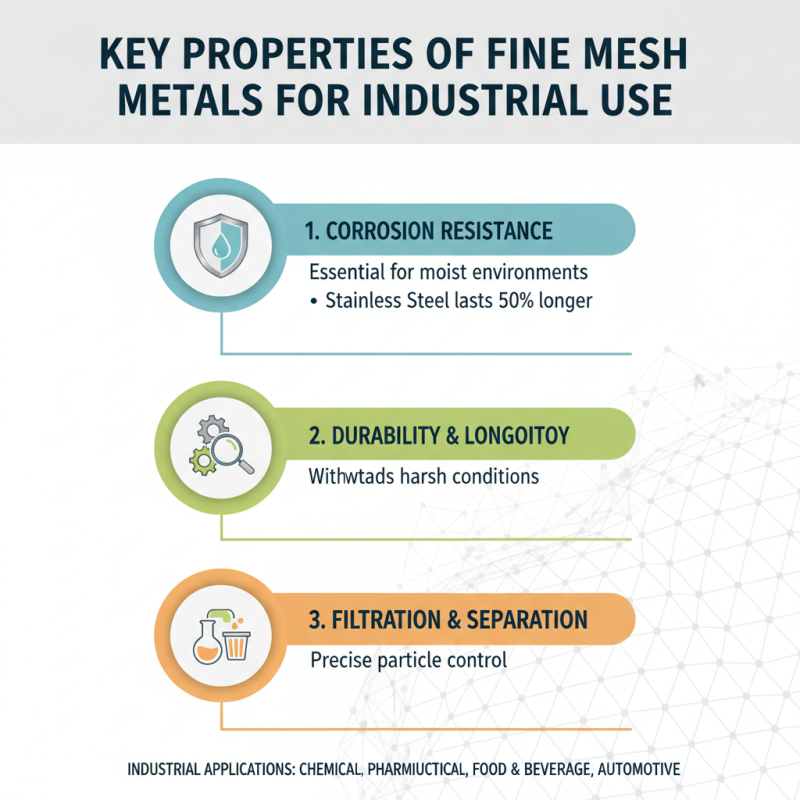
Key Properties of Fine Mesh Metals for Industrial Use
Fine mesh metals are essential in various industrial applications. Their unique properties make them valuable in multiple sectors. For instance, stainless steel, a common choice, offers excellent corrosion resistance. This characteristic is crucial for environments where moisture is present. Studies indicate that stainless steel mesh can last up to 50% longer in such settings compared to other metals.
Aluminum mesh, lightweight yet durable, is popular in the aerospace industry. Its high strength-to-weight ratio allows for efficient designs. Yet, it may not withstand high temperatures as well. According to industry data, aluminum retains only 60% of its strength at temperatures above 300°C. This limitation must be considered when selecting materials.
In applications requiring filtration, fine mesh metals often face challenges. The ability to maintain structural integrity while allowing for fluid passage is vital. Reports reveal that mesh with a high percentage of open area can enhance filtration efficiency. However, the trade-off can be reduced strength. This compromise might lead to premature failure in demanding environments, highlighting the need for careful selection.
Top 10 Fine Mesh Metals: Composition and Benefits
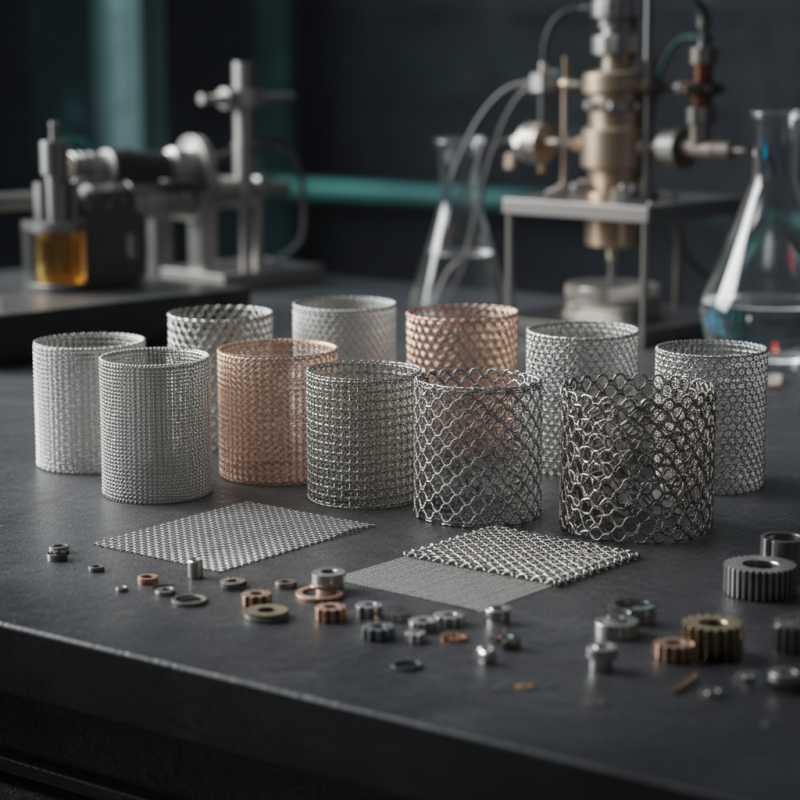
Fine mesh metals are essential in many industries today. They offer unique compositions that suit various applications. For example, stainless steel mesh is known for its durability and corrosion resistance. It is often used in filters and screens. Its inherent strength makes it a popular choice for tough environments.
Another noteworthy option is brass mesh. This metal combines strength with aesthetic appeal. It’s non-ferrous, which helps prevent rusting, but can tarnish over time. So, regular maintenance is necessary. Aluminum mesh is also prevalent. Lightweight and resistant to rust, it’s ideal for construction and HVAC systems. However, it may not hold up under heavier loads.
Copper mesh is another contender. It has outstanding conductivity, making it suitable for electrical applications. Yet, it can be expensive. Choosing the right mesh involves understanding your specific needs. Each metal has its benefits, but also limitations. This reflection often leads to the best solutions in industrial applications. Balancing cost and functionality is key. Each choice reflects a trade-off to consider carefully.
Top 10 Fine Mesh Metals for Your Industrial Needs
Selecting the Right Fine Mesh Metal for Your Industry Needs
When selecting fine mesh metals for industrial applications, consider the specific requirements of your industry. Different materials serve distinct purposes. For example, stainless steel offers corrosion resistance, making it ideal for food processing. In contrast, aluminum mesh is lightweight, perfect for transport and aerospace sectors.
Mesh size is another important factor. Smaller openings can filter finer particles but may also restrict airflow. This can lead to inefficiencies in processes. Striking the right balance is crucial. The metal's sturdiness impacts durability too. A fragile mesh can lead to costly downtime and repairs.
Evaluate your application carefully. Each industry has unique challenges. These include exposure to chemicals, temperature extremes, or even mechanical stress. Often, the right choice may not be the obvious one. Trial and error are sometimes necessary to find the best fit. Keeping an open mind can lead to better solutions.
Top 10 Fine Mesh Metals for Your Industrial Needs
| Metal Type |
Wire Diameter (mm) |
Opening Size (mm) |
Mesh Count |
Applications |
| Stainless Steel |
0.2 |
0.5 |
80 |
Food Processing, Filtration |
| Aluminum |
0.3 |
0.75 |
60 |
Lightweight Structures, HVAC |
| Brass |
0.4 |
0.8 |
80 |
Electronics, Decorative Grilles |
| Copper |
0.35 |
0.7 |
40 |
Electrical Applications, Shielding |
| Nickel |
0.25 |
0.65 |
100 |
Chemical Processing, Aerospace |
| Titanium |
0.5 |
1.0 |
30 |
Medical Devices, Marine Applications |
| Carbon Steel |
0.45 |
1.0 |
50 |
Construction, Filtration |
| Mild Steel |
0.6 |
1.1 |
20 |
Industrial Manufacturing, Welding |
| Galvanized Steel |
0.55 |
1.2 |
80 |
Outdoor Applications, Fencing |
| Bronze |
0.3 |
0.6 |
90 |
Marine Hardware, Musical Instruments |
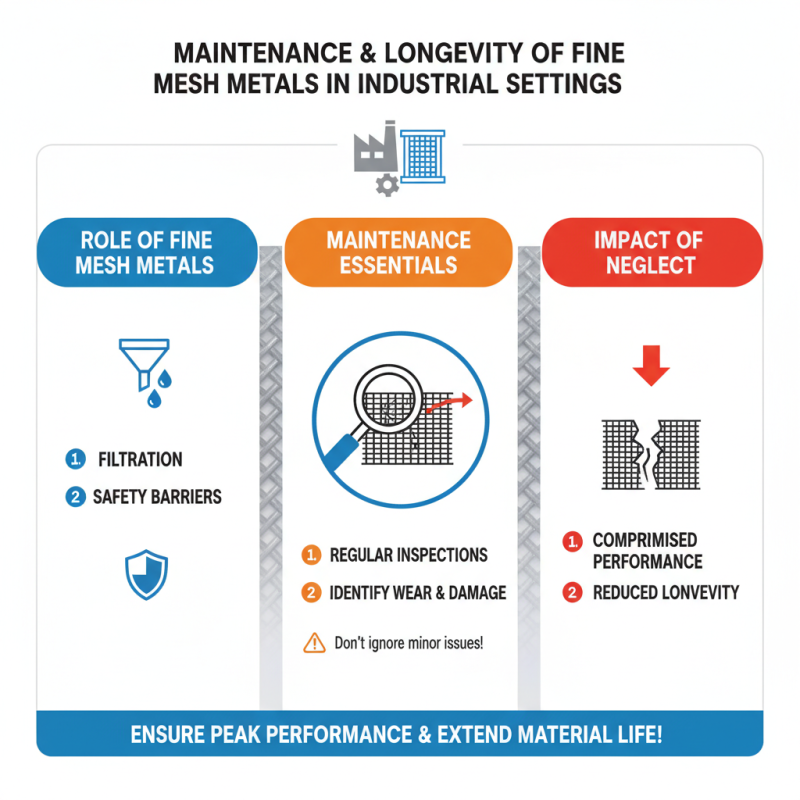
Maintenance and Longevity of Fine Mesh Metals in Industrial Settings
In industrial settings, fine mesh metals play a crucial role. They are used in various applications, from filtration to safety barriers. However, maintaining these materials is essential for ensuring their longevity. Regular inspections can help identify wear and damage. Even minor issues can compromise performance if ignored.
Environmental factors can also affect fine mesh metals. Exposure to moisture can lead to rust or corrosion. Therefore, keeping these surfaces clean and dry is important. Industrial environments can be harsh. Dust and chemicals can accumulate, requiring frequent cleaning. This adds to maintenance efforts, but it’s necessary for optimal function.
Additionally, not all fine mesh metals are created equal. Some may require special coatings for durability. These coatings can wear off over time, necessitating periodic reapplication. This is an area where many industries can improve their practices. Ignoring these details can lead to equipment failure. Thus, regular maintenance schedules should be prioritized. Investing time in upkeep will ultimately save resources in the long run.
 No. 14, Building 2, No. 367 Beijing Road, Chengdu Economic and Technological Development Zone (Longquanyi District)