What is Pu Dehydrated Screen and Its Benefits for Buyers?
The Pu Dehydrated Screen is gaining prominence in various industries. This innovative technology enhances mineral separation and water management. According to a 2022 report by Global Mining Solutions, the demand for efficient dehydration methods has surged by 25%. This rise indicates a shift towards sustainable practices in processing operations.
Expert Joe Hamilton, a specialist in filtration technologies, emphasizes its significance: "The Pu Dehydrated Screen optimizes performance while reducing waste." This assertion reflects a broader trend in the industry. Buyers are now more focused on solutions that not only improve efficiency but also align with environmental goals.
However, it's essential to recognize the challenges. Implementing the Pu Dehydrated Screen requires careful consideration. Understanding the specifics of your operation is crucial. Increasing efficiency can sometimes lead to unexpected complications if not managed well. This duality highlights the need for expertise when choosing dehydration technologies.
What is Pu Dehydrated Screen?
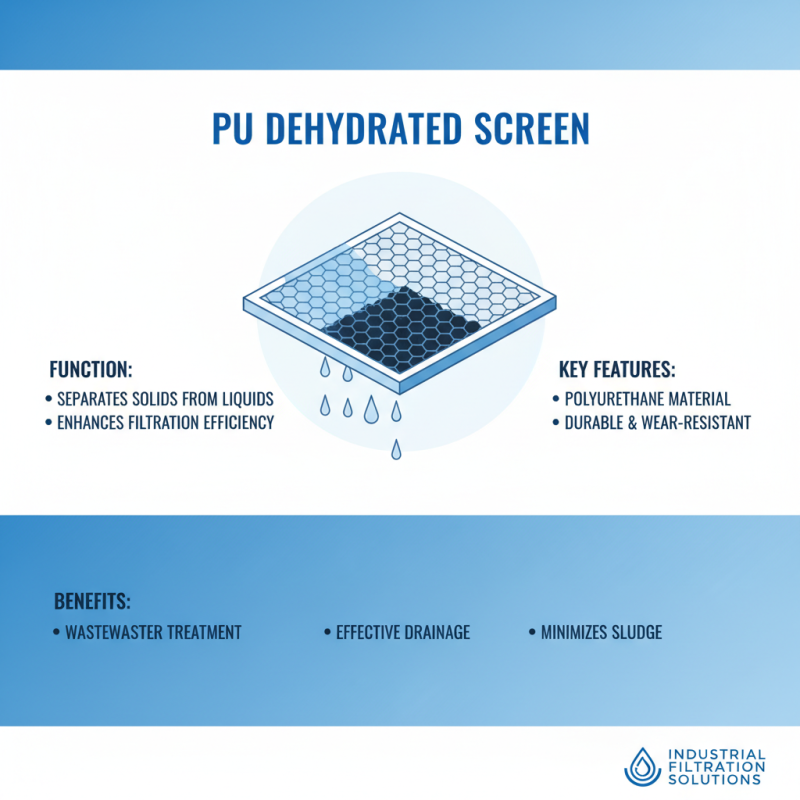
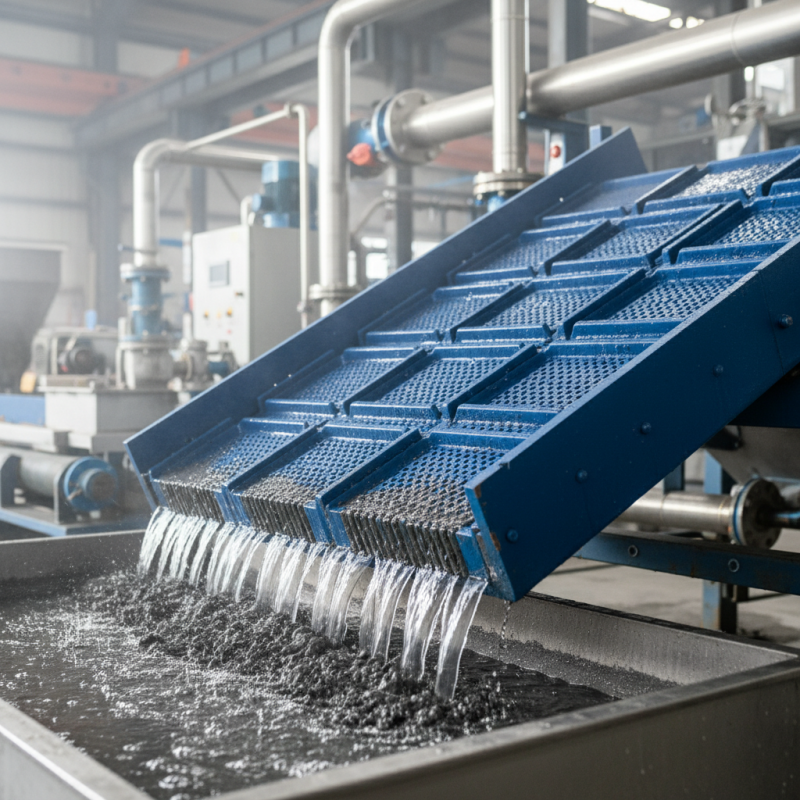
The Pu dehydrated screen is an innovative filtration solution designed for various industrial applications. It primarily functions to separate solids from liquids, enhancing efficiency in processes like wastewater treatment. This screen utilizes a polyurethane material, ensuring durability and resistance to wear. The design allows for effective drainage, minimizing the build-up of sludge.
In practical use, the Pu dehydrated screen offers several advantages. It improves the clarity of the filtered liquid, which can lead to better quality in downstream processes. This is especially valuable for buyers seeking to optimize production efficiency and reduce costs. Furthermore, the lightweight design facilitates easier installation and maintenance, making it a practical choice for many industries.
However, not all users find immediate success. Some may encounter challenges during the initial setup or operation. Companies must provide proper training to personnel. Without adequate knowledge, users might not fully harness the screen's potential. Continuous monitoring is essential to address any operational issues early on. Investing time in understanding this technology is crucial for maximizing its benefits.
The Structure and Composition of Pu Dehydrated Screens
Pu dehydrated screens have gained popularity for their efficient water removal capabilities. These screens are typically made from high-quality polyurethane. The material contributes to their durability and resistance to wear. When designed properly, these screens can significantly enhance filtration processes.
The structure of a pu dehydrated screen usually consists of a mesh grid that allows for optimal drainage. The perforations are strategically placed to prevent blinding and maintain flow rates. This design not only maximizes performance but also helps in reducing maintenance costs over time. It’s a seamless blend of functionality and engineering that appeals to many industries.
Tips: When choosing a pu dehydrated screen, consider the application requirements. Analyze the particle size distribution and select the screen that best fits your needs. Regular inspection helps identify wear, allowing for timely replacements. Remember, even the finest products can experience limitations. Hence, understanding their design and operational context is crucial for achieving the best results.
Key Benefits of Using Pu Dehydrated Screens for Buyers
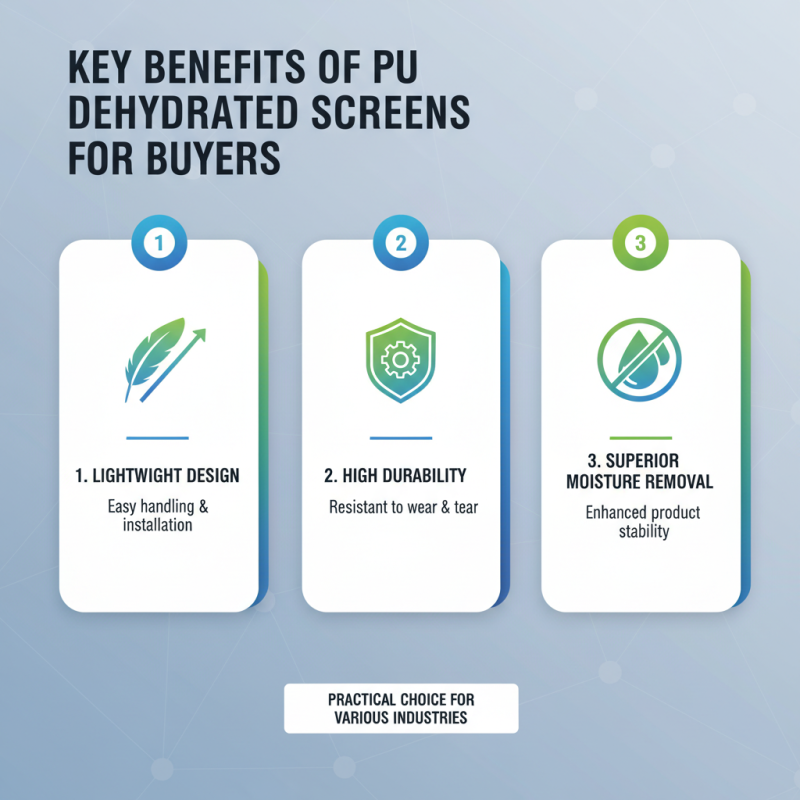
Pu dehydrated screens have gained popularity among buyers in various industries. Their lightweight design and high durability make them a practical choice. These screens excel in moisture removal. The process enhances product stability, which is crucial in manufacturing.
One significant benefit is efficiency. Pu dehydrated screens facilitate quicker drying times. This leads to increased productivity in operations. Furthermore, they reduce energy consumption. With lower power usage, companies can save money. Buyers appreciate these cost-saving features.
Another important aspect is versatility. Pu dehydrated screens can handle different materials. They are effective in filtration applications, ensuring a clean output. Their adaptability makes them suitable for many sectors. However, buyers need to assess specific needs. Investing in the wrong type may lead to inefficiencies. This reflection is essential in decision-making.
Applications of Pu Dehydrated Screens in Various Industries
Pu dehydrated screens find wide applications across various industries, including food processing, wastewater treatment, and mining. In food processing, these screens efficiently remove moisture and enhance product shelf life. A report by the Food and Drug Administration (FDA) highlights that proper dehydration can increase the freshness retention of produce by up to 60%. This is particularly crucial as consumers prefer high-quality, long-lasting products.
In wastewater treatment facilities, pu dehydrated screens play a vital role in separating solids from liquids. The Environmental Protection Agency (EPA) states that over 80% of the world's wastewater is released without treatment. By incorporating pu technology, facilities can effectively filter out harmful particulates, leading to improved water quality. The average efficiency of these screens can exceed 90%, showcasing their significance in sustainable practices.
Mining operations benefit from pu dehydrated screens as well, addressing challenges in separating minerals from water. The mining sector is under pressure to reduce water consumption. According to a report by the International Council on Mining and Metals, water use in mining can be reduced by up to 40% when implementing advanced filtration. This not only conserves resources but also minimizes environmental impact. However, it's essential to continuously monitor and assess operational efficiency to ensure optimal performance. Overall, while pu dehydrated screens present clear advantages, the industry must reflect on their integration challenges and potential areas for improvement.
Comparison of Pu Dehydrated Screens with Traditional Screens
Pu dehydrated screens have gained popularity due to their efficiency. They offer a significant advantage over traditional screens. For instance, the material used in pu screens ensures a longer lifespan. This durability reduces replacement costs and minimizes downtime.
Traditional screens often struggle with wear and tear. They can clog easily, impacting productivity. In contrast, pu dehydrated screens maintain their integrity longer. Their design prevents material buildup, ensuring smoother operations. Moreover, they provide better filtration. This results in cleaner, drier products in various industries.
However, not all users are aware of the potential downsides. Initially, the cost of pu screens might seem high. Buyers should weigh this against long-term savings. Some may find the transition to newer technology challenging. Training may be necessary to maximize benefits. It's essential to evaluate these factors carefully.
 No. 14, Building 2, No. 367 Beijing Road, Chengdu Economic and Technological Development Zone (Longquanyi District)