Why is Iron Ore Screening Essential for Global Suppliers?
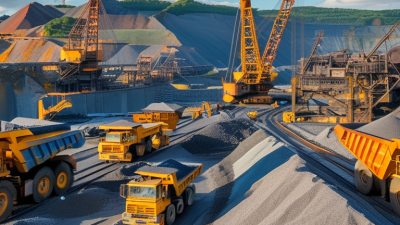
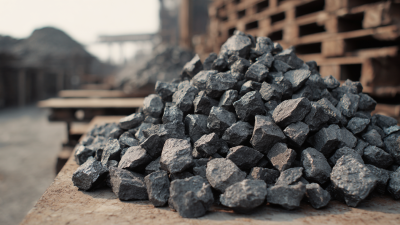
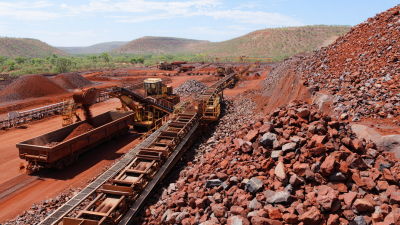
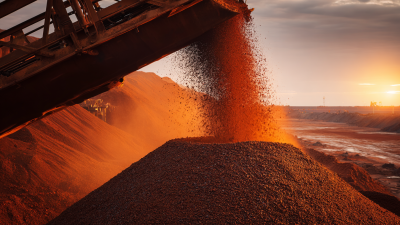
Iron Ore Screening plays a pivotal role in the global supply chain. This process ensures that the ore's quality meets industry standards. Effective screening can remove impurities and enhance the iron content. A high-grade product attracts better pricing and favorable contracts.
Global suppliers face intense competition. They must ensure their products are the best available. Screening helps in achieving quality assurance, but it is not flawless. Inadequate screening can lead to costly errors. These mistakes can affect relationships with buyers and reputations in the market.
Moreover, technological advancements have improved Iron Ore Screening methods. New equipment can enhance efficiency and accuracy. However, suppliers need to stay updated on these technologies. Inconsistent practices may lead to missed opportunities. Ultimately, well-executed screening processes contribute to sustainable operations and a stronger market position.
The Importance of Iron Ore Screening in the Supply Chain
Iron ore screening plays a crucial role in the global supply chain. Effective screening ensures that only high-quality ore reaches the market. According to industry reports, iron ore with less than 58% Fe can lead to significant losses in the selling price. This reality underscores the importance of precise screening methods. Quality control is essential to maximize profits and minimize waste.
The process of screening involves separating iron ore based on size and grade. A study revealed that poor screening can result in up to a 25% reduction in profitability for suppliers. This figure highlights the need for meticulous attention to detail. While many suppliers understand the importance of screening, implementation can be inconsistent. Emerging technologies may enhance the screening process, yet adaptation remains a challenge.
In the current market, the demand for high-grade iron ore continues to rise. Suppliers must adapt to these shifting demands. In 2022, global iron ore production reached 2.5 billion tons, with a significant portion requiring efficient screening. As suppliers navigate these complexities, reflecting on the effectiveness of their screening processes will be essential for maintaining competitiveness.
Key Benefits of Efficient Iron Ore Screening for Suppliers
Efficient iron ore screening is crucial for global suppliers. It enhances the quality of iron ore delivered to steelmakers. A recent report from the World Steel Association highlights that about 70% of iron ore is processed through screening. Improperly screened ore can lead to inferior quality and increased production costs.
The benefits are significant. High-quality screening can reduce waste material. Suppliers can save on transportation costs by ensuring only the best ore is shipped. According to a study by Iron Ore Research Institute, improved screening processes can increase yield by up to 15%. However, not all suppliers are equipped with advanced screening technologies.
Some industry players still rely on outdated methods. This might impact their competitiveness. It raises questions about the long-term sustainability of their operations. Investing in efficient screening technology is essential for maintaining market relevance. Without it, suppliers risk losing their edge.
Why is Iron Ore Screening Essential for Global Suppliers? - Key Benefits of Efficient Iron Ore Screening for Suppliers
| Key Benefits |
Description |
Impact on Suppliers |
| Improved Quality Control |
Screening eliminates unwanted materials, ensuring only high-quality ore reaches customers. |
Leads to greater customer satisfaction and repeat business. |
| Reduced Operational Costs |
Efficient screening processes minimize the need for further processing of low-quality ores. |
Decreased production costs and increased profit margins. |
| Enhanced Productivity |
Automated and precise screening systems expedite the sorting process. |
Higher output and more efficient resource utilization. |
| Regulatory Compliance |
Complying with industry standards through effective screening can prevent fines. |
Safeguards against legal issues and enhances corporate reputation. |
| Sustainability Benefits |
Screening reduces waste and improves sustainability by maximizing ore usage. |
Supports eco-friendly practices and attracts environmentally conscious partners. |
Challenges in Iron Ore Screening and Solutions
Iron ore screening presents several challenges for global suppliers. The variability in ore quality can lead to inefficiencies during the screening process. Some batches may contain impurities that are difficult to detect. This inconsistency affects both the quality of the final product and operational costs, leading to significant losses.
Sorting techniques often struggle to keep up with the increasing demand for high-grade iron ore. Advanced equipment can mitigate some of these issues, but not all suppliers have access to such technology. Maintenance of screening machinery can also be a burden. Regular downtime for repairs disrupts production schedules and ultimately impacts delivery timelines.
To tackle these challenges, suppliers must invest in training for their staff. Knowledgeable teams can conduct effective pre-screening assessments. Better training leads to improved decision-making on sorting practices. Additionally, implementing robust data analytics can enhance the screening process. With real-time insights, suppliers can adapt to ore variations promptly, ensuring consistent quality control.
Technological Innovations Enhancing Iron Ore Screening Processes
Iron ore screening is a critical step in the supply chain, ensuring that only high-quality material reaches global markets. Recent innovations in technology have significantly enhanced the efficiency of the screening process. According to a report by the International Iron and Steel Institute, improved screening technologies can reduce production costs by up to 20%. These advancements include automated sorting systems and real-time data analysis.
Automation is a key player in these innovations. Automated systems ensure consistent screening, minimizing human error. However, this transition comes with challenges, such as the need for skilled operators who can handle these advanced technologies. Regular training programs are essential for maintaining efficiency and safety in operations. A study by Mining Weekly highlights that companies investing in employee training alongside automation can see a 15% rise in productivity.
Tips: Investing in new screening technology is vital but consider workforce readiness first. Balancing technology and human resources ensures smoother operations and better outcomes. Regular assessments of the technology used can prevent bottlenecks and increase output. In an industry evolving rapidly, staying informed and adaptable is crucial.
Global Market Trends Influencing Iron Ore Screening Practices
The global iron ore market is influenced by several trends shaping screening practices. With increasing demand from steel manufacturers, iron ore quality has never been more important. Suppliers must effectively screen iron ore to meet stringent specifications. This demands precise sorting techniques to separate valuable minerals from waste material.
Sustainability is another factor impacting screening. Suppliers are pressured to reduce waste. Implementing better screening practices can minimize environmental impact. Yet, many companies struggle with this transition. They often find it challenging to balance efficiency with eco-friendly practices. There’s a need for continuous improvement and innovative solutions.
Furthermore, economic fluctuations play a significant role. Changes in trade policies affect iron ore prices. Suppliers must adapt their screening methods to these dynamics. The complexity of global supply chains adds another layer of difficulty. Suppliers need to reassess their strategies frequently. This fluid environment requires agility and a willingness to evolve.
 No. 14, Building 2, No. 367 Beijing Road, Chengdu Economic and Technological Development Zone (Longquanyi District)