2026 How to Choose Urethane Screen Mesh for Optimal Durability?
Choosing the right Urethane Screen Mesh is crucial for various industrial applications. The durability and performance of your screening process depend significantly on the mesh material you select. Urethane Screen Mesh offers unique advantages over traditional materials, such as enhanced wear resistance and flexibility.
When evaluating options, it is essential to consider the specific needs of your operation. Factors like particle sizes, throughput demands, and environmental conditions play a pivotal role. Selecting the wrong type can lead to premature wear and increased costs. This decision can impact production efficiency and the overall lifespan of equipment.
Ultimately, careful consideration of Urethane Screen Mesh can yield long-term benefits. The right choice means fewer replacements and less downtime. At the same time, it’s wise to reflect on past experiences to avoid repeating mistakes. Is your current screen mesh performing as expected? An informed decision today contributes to a more reliable operation tomorrow.
Understanding Urethane Screen Mesh Materials and Properties
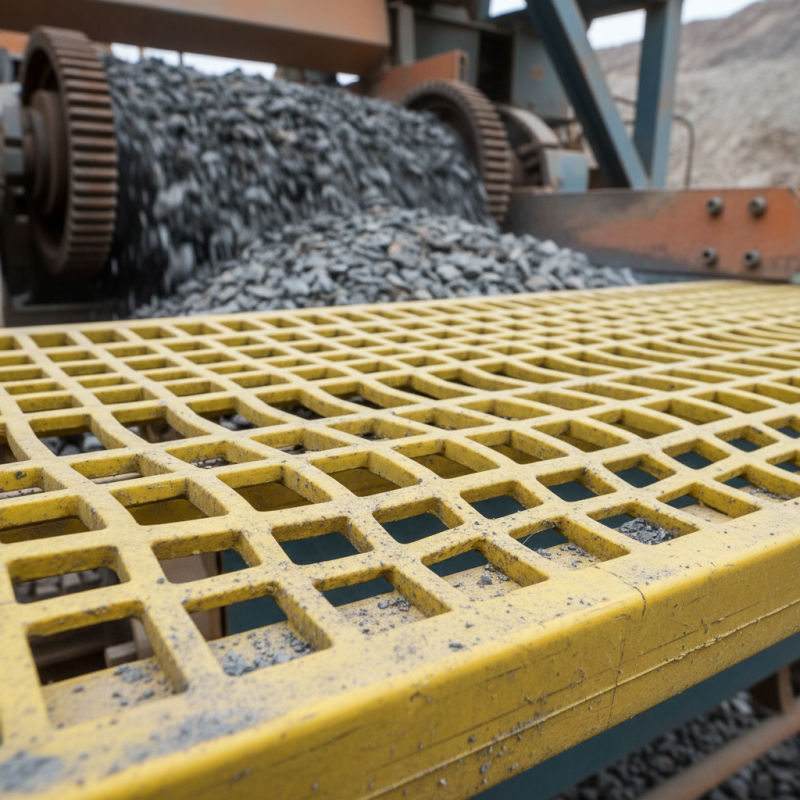
When choosing urethane screen mesh, understanding the materials and their properties is essential. Urethane mesh stands out for its unique durability and resilience. According to industry reports, urethane screens can last up to three times longer than traditional wire screens. This longevity is crucial for reducing downtime and maintenance costs.
The composition of urethane materials contributes significantly to their effectiveness. This mesh typically consists of a high-grade polyurethane, which offers superior abrasion resistance and flexibility. Urethane also performs well under various temperatures, making it suitable for both cold and hot applications. Notably, its open area percentage can enhance screening efficiency, allowing for better material flow.
Tips: When selecting a urethane screen, consider the specific application requirements. Look for a mesh with the right aperture size to ensure optimal performance. Also, evaluate the hardness of the urethane; harder materials can endure more wear, while softer options can offer better flexibility.
It’s worth noting that improper installation can lead to premature wear. If the mesh is not fitted correctly, it may sag or tear. Routine inspections can mitigate these issues and prolong the lifespan of the mesh. Regular maintenance helps to identify wear patterns and adjust equipment as necessary, ensuring consistent operations.
2026 How to Choose Urethane Screen Mesh for Optimal Durability?
| Property |
Description |
Influence on Durability |
| Material Composition |
Typically made from a blend of polyurethane materials. |
Higher quality blends lead to better abrasion resistance. |
| Mesh Size |
Available in various openings, from fine to coarse. |
Larger openings can reduce wear from materials, enhancing lifespan. |
| Thickness |
Thickness ranges between 1mm to 10mm. |
Thicker meshes offer more durability and resistance to impact. |
| Chemical Resistance |
Resistance to oils, solvents, and other chemicals. |
Enhances longevity in harsh environments. |
| Temperature Resistance |
Operational temperature range from -30°C to 100°C. |
Allows use in diverse climatic conditions without degradation. |
| UV Resistance |
Ability to withstand UV light exposure. |
Prevents deterioration and maintains structural integrity over time. |
Key Factors Influencing Urethane Screen Mesh Durability
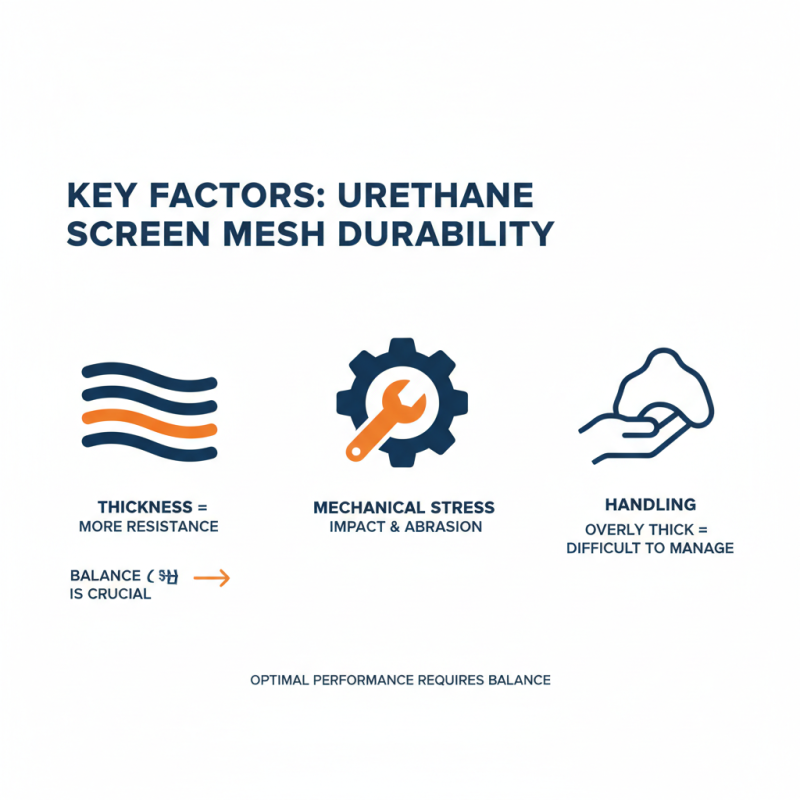
When selecting urethane screen mesh, several key factors significantly influence durability. The thickness of the mesh plays a crucial role. Thicker mesh tends to withstand mechanical stress better than thinner options. However, overly thick mesh can become unwieldy and difficult to handle. A balance is essential.
Another factor to consider is the mesh's chemical resistance. Urethane materials often face exposure to chemicals in various environments. Choosing a mesh that can resist corrosive substances lengthens its lifespan. Additionally, environmental conditions such as temperature and humidity should not be overlooked. High temperatures can degrade materials, while moisture can lead to mold growth.
Tips:
- Always assess the specific environment before selecting urethane mesh.
- Consult with experts who understand the demands of your industry.
- Regularly maintain your mesh to catch wear early.
Durability hinges on the right choices. Some users may overlook these elements, leading to premature failures. Take the time to analyze all factors involved. It’s wise to reflect on previous selections for future improvements.
Evaluating Urethane Screen Mesh According to Application Needs
Choosing the right urethane screen mesh is crucial for various applications. The mesh's durability often depends on the specific tasks it needs to perform. For instance, industries like mining and aggregates require screens that can handle harsh environments and high abrasion. A report from the International Association of Mining Professionals indicates that using high-quality urethane can increase operational lifespan by up to 30%.
Understanding application needs is essential. Different materials can affect screening efficiency dramatically. For example, in recycling applications, finer urethane meshes are ideal for separating smaller particles efficiently. The American Filtration Society reports that using the correct mesh can improve recovery rates by 15% compared to substandard alternatives.
However, improper selection can lead to significant issues. Overlooking the specific environmental factors, such as temperature or chemical exposure, may shorten the mesh's lifespan. Additionally, choosing the wrong thickness can affect product quality. Ultimately, careful evaluation of application needs and conditions will guide users towards optimal urethane screen mesh selection. Balancing durability with specific requirements often requires trial and error, and this reflection is vital in making long-term decisions.
Comparative Analysis of Urethane Screen Mesh with Other Materials
When choosing urethane screen mesh, understanding its advantages over other materials is crucial. Urethane screen mesh offers enhanced durability and flexibility. Compared to wire mesh, urethane provides superior wear resistance. It holds up better against harsh abrasives. This longevity reduces the need for frequent replacements.
In contrast, traditional materials like metal mesh can rust and corrode. They are less effective in high-impact applications. Urethane's lightweight design also improves operational efficiency. It enables smoother handling and faster installation.
Tips: Consider the specific application when selecting your mesh. Evaluate the environmental factors, such as humidity and temperature, affecting performance. Consulting with industry experts can further enhance your decision-making process. Always test samples in real-world conditions to ensure optimal performance.
Maintenance Tips for Extending Urethane Screen Mesh Lifespan
Maintaining urethane screen mesh is crucial for optimizing its lifespan. Regular inspections are essential. Look for signs of wear, such as fraying or discoloration. If any damage is evident, replace the mesh promptly. This can prevent larger issues and costly downtime.
Cleaning is another vital aspect of maintenance. Accumulated debris can weaken the mesh structure. Use a pressure washer or soft brush to remove dirt. Avoid harsh chemicals, as they can degrade the urethane material. Clean thoroughly, but gently.
Lastly, store your urethane screen mesh properly. It should be kept in a dry, shaded area. Extreme temperatures can affect its durability. If you notice significant wear over time, reflect on your maintenance routine. Delve into what can be improved for future use. Periodic reviews can enhance performance. Adjust your practices based on actual observations.
 No. 14, Building 2, No. 367 Beijing Road, Chengdu Economic and Technological Development Zone (Longquanyi District)