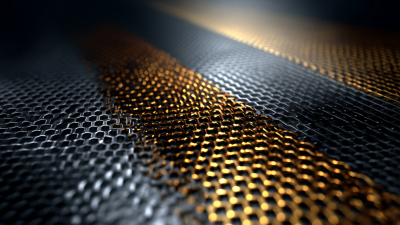
Essential Tips for Sourcing Fine Mesh Metals Effectively?
When sourcing Fine Mesh Metals, it is crucial to consider various factors for effectiveness. The quality of materials and suppliers significantly impacts the final product. Understanding the specific requirements for your application can save time and reduce costs.
Choosing the right supplier can be challenging. Not all suppliers provide the same level of quality or expertise. Evaluating their reputation is essential. Check reviews and seek recommendations to ensure you make an informed choice. Each supplier may have different specialties within Fine Mesh Metals, influencing your sourcing strategy.
Additionally, price can often reflect quality, but not always. It’s important to balance cost and material integrity. Look beyond just price tags. Inspect samples when possible to gauge quality firsthand. Being meticulous in your sourcing process will ultimately yield better results in your projects.
Understanding Fine Mesh Metals and Their Applications
Fine mesh metals are essential in various industries. Their unique properties make them suitable for applications like
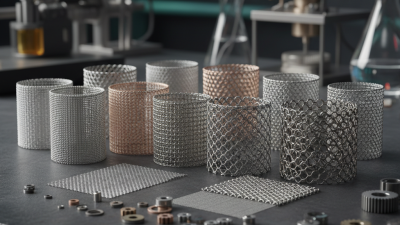
filtration, sorting, and reinforcement. Fine mesh metals come in different materials, including
stainless steel,
copper, and
aluminum. Each material has specific strengths, making it
important to choose wisely based on application needs.
In a recent industry report by Grand View Research, the global market for fine mesh metals is projected to reach
over USD 6 billion by 2028, with a compound annual growth rate (CAGR) of 4.5%.
This growth reflects the rising demand in the automotive and aerospace sectors, where precision and reliability
are critical. Additionally, fine mesh structures can enhance product quality by ensuring uniformity in filtration
processes. For instance, in water treatment, these meshes effectively remove contaminants, leading to cleaner
drinking water.
However, sourcing fine mesh metals can be challenging.
Variations in mesh size and material quality can affect performance. It’s crucial for buyers to consider
supplier certifications and material grades. Not all suppliers maintain quality assurance standards. Potential
inconsistencies can lead to unexpected results in applications. Therefore, thorough due diligence is vital for
effective sourcing in this specialized market.
Identifying Quality Standards for Fine Mesh Metal Sourcing
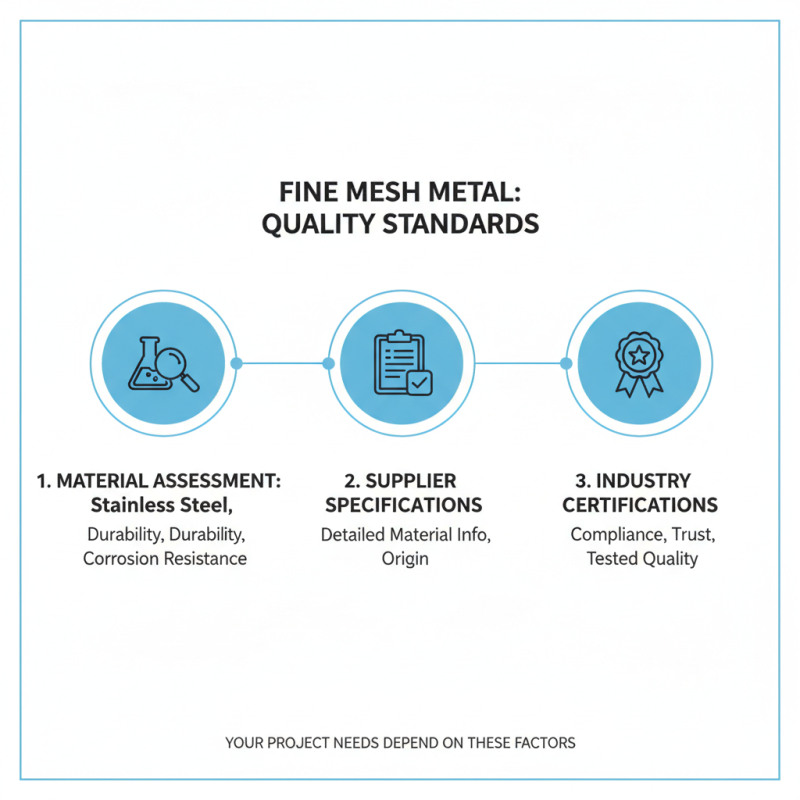
When sourcing fine mesh metals, quality standards are paramount. High-quality mesh should possess specific characteristics that meet your project needs. Begin by assessing the materials used in production. Stainless steel, for example, is often preferred for its durability and resistance to corrosion. Look for suppliers who provide detailed material specifications. Certifications can indicate compliance with industry standards, which adds an element of trust.
Testing is critical. Have samples tested for tensile strength and mesh opening sizes. These tests can reveal discrepancies that may not be visible at first glance. Pay attention to the finish of the mesh as well. A poor finish can compromise the functionality and aesthetics of the metal. Do not ignore the importance of supplier communication. Engaging with suppliers about their production processes can provide insights into their quality assurance measures.
Expect some imperfections in your search. Not every supplier will meet your criteria, and it's essential to discuss quality concerns openly. Consider gathering feedback from other customers and examine past projects. This reflection can guide you in choosing a reliable source. Engaging with the right suppliers while being attentive to quality standards can significantly affect your project’s outcome.
Researching Reliable Suppliers and Manufacturers
When sourcing fine mesh metals, finding reliable suppliers and manufacturers is crucial. Accurate research will help you avoid pitfalls. Industry data indicates that about 70% of businesses encounter challenges in supplier reliability. This makes thorough vetting essential.
Begin by utilizing databases and trade platforms to identify potential suppliers. Look for those with a proven track record. Read reviews and explore their certifications. Trustworthy suppliers often have ISO certifications, indicating adherence to quality standards.
Check for suppliers that understand specific requirements for fine mesh metals. Engage with them directly to gauge their expertise. For instance, ask about their sourcing process and material selection. This communication can reveal a lot about their reliability.
Lastly, consider visiting manufacturing sites if feasible. Seeing their operations firsthand can provide insights into their processes. While this may not always be possible, virtual tours can help. Trust your intuition; if something feels off, it's worth reconsidering.
Evaluating Cost vs. Quality in Fine Mesh Metal Procurement
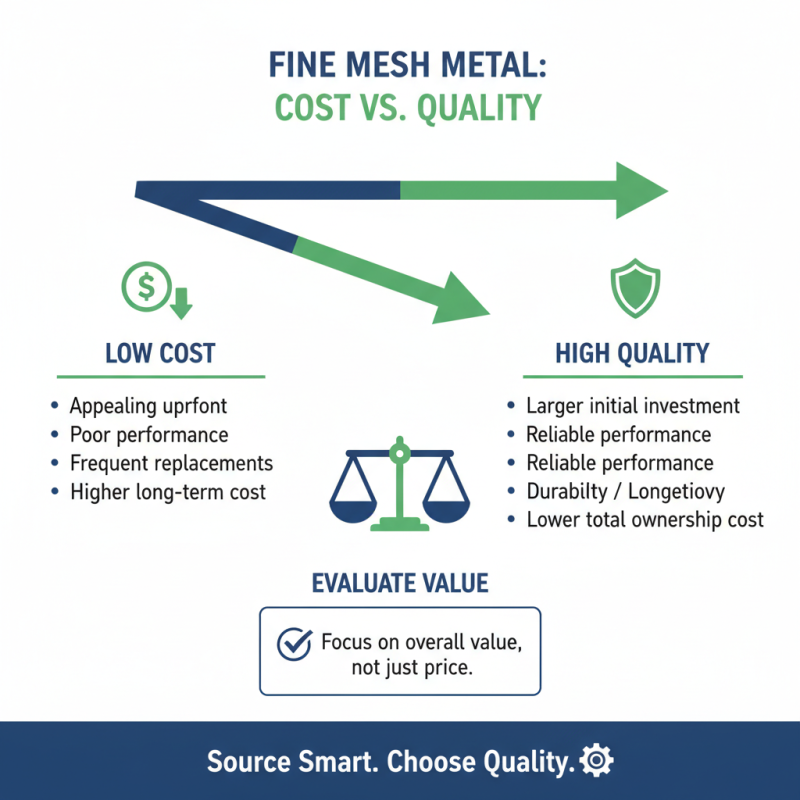
When sourcing fine mesh metals, understanding the balance between cost and quality is crucial. Many buyers tend to focus solely on price, overlooking the long-term implications of poor quality. While lower prices can seem attractive, they often result in materials that fail to meet performance standards. This can lead to increased costs in the long run, due to replacements or repairs. It’s essential to evaluate the overall value rather than just the upfront cost.
Quality should never be compromised. High-quality fine mesh metals are typically more durable and can withstand various applications without degradation. Consider conducting thorough research on suppliers’ reputations. Seek out reviews and testimonials that highlight their experience and reliability. Real-world examples often reveal critical insights. Sometimes, a lower cost may mask quality issues.
Engaging with experts in the field can provide valuable perspectives. They can share their experiences and shed light on the significance of choosing quality over cost savings. It's beneficial to ask for samples to evaluate them personally. This approach helps in making informed decisions, as the right metal can vastly impact the end product's functionality and longevity. Balancing cost and quality requires thoughtful consideration and may involve difficult choices, but it is necessary for successful procurement.
Best Practices for Inspecting and Testing Mesh Materials
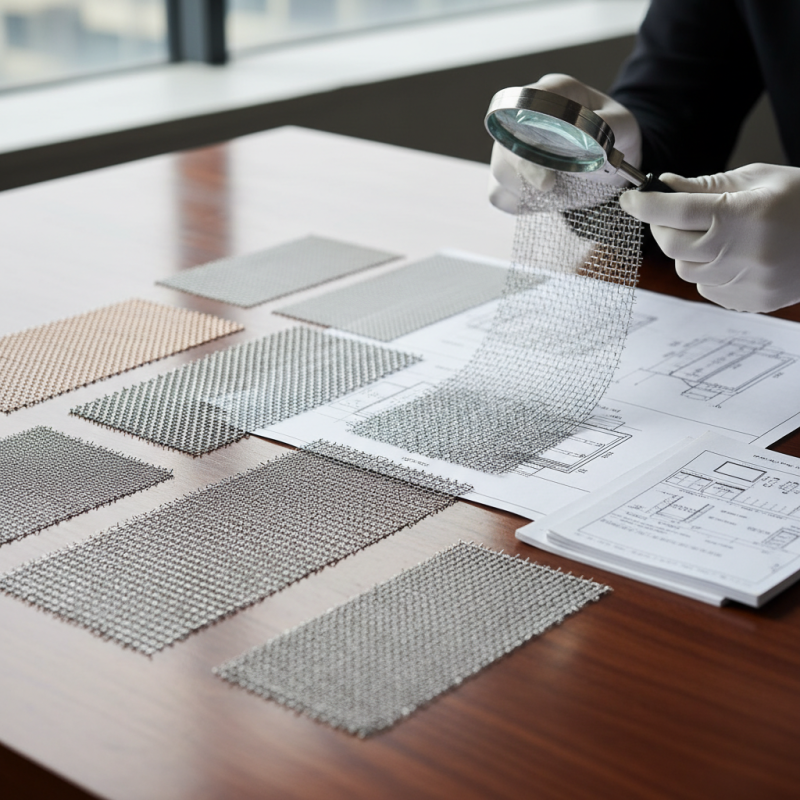
When sourcing fine mesh metals, effective inspection and testing are crucial. Begin by evaluating the mesh's material composition. Different metals have unique properties that affect performance. A meticulous assessment helps ensure the right choice for specific applications. Visual inspection should be a starting point. Look for any noticeable defects or irregularities in the mesh structure.
Testing the mesh materials involves more than just visual checks. Conduct strength tests and pressure assessments to gauge durability. The mesh should maintain its integrity under various conditions. It’s essential to consult with experienced technicians who understand the specific requirements of your industry. However, be cautious; not all testing methods yield reliable results. Prioritize standardized testing protocols that reflect industry best practices.
Documentation plays a vital role in the verification process. Keep a detailed record of inspections and test results. This not only helps track quality but also builds a reference for future sourcing decisions. Relying on various sources for information can be misleading, so choose trusted resources known for their expertise. Stay informed about advancements in mesh materials, as this field evolves rapidly.
Essential Tips for Sourcing Fine Mesh Metals Effectively - Best Practices for Inspecting and Testing Mesh Materials
| Mesh Type |
Wire Diameter (mm) |
Aperture Size (mm) |
Material |
Tensile Strength (MPa) |
Corrosion Resistance |
Testing Method |
| Stainless Steel |
0.5 |
2.0 |
SS304 |
520 |
Excellent |
Visual & Tensile Test |
| Aluminum |
0.8 |
3.0 |
6061-T6 |
310 |
Good |
Visual & Corrosion Test |
| Copper |
0.6 |
1.5 |
C11000 |
210 |
Moderate |
Visual & Conductivity Test |
| Mild Steel |
1.0 |
4.0 |
A36 |
400 |
Low |
Visual & Bending Test |
| Titanium |
0.4 |
2.5 |
Ti-6Al-4V |
900 |
Excellent |
Visual & Strength Test |
 No. 14, Building 2, No. 367 Beijing Road, Chengdu Economic and Technological Development Zone (Longquanyi District)