10 Essential Tips for Choosing the Right Fine Mesh Screen?
Choosing the right fine mesh screen can be challenging. With numerous options available, it's easy to feel overwhelmed. The fine mesh screen plays a crucial role in various applications, from home use to industrial settings. Selecting a suitable one requires careful consideration.
When selecting a fine mesh screen, consider the material. Stainless steel offers durability, while nylon is lightweight. Each material serves a different purpose. Keep in mind the mesh size, too. A finer mesh captures smaller particles but may restrict airflow.
Think about your specific needs. Do you require a screen for gardening or cooking? Different applications demand different features. It’s essential to reflect on these factors. A wrong choice may lead to frustration later on. Take your time to explore options and choose wisely. Balancing need and practicality is key.
Understanding the Purpose of Fine Mesh Screens in Different Applications
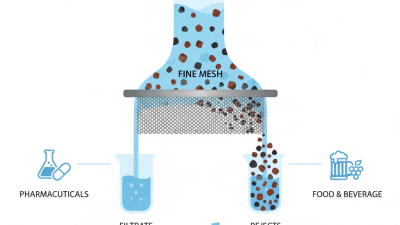
Fine mesh screens play a crucial role in various applications, from filtering liquids to separating solids. They are designed to allow specific particles to pass while blocking unwanted materials. This functionality is essential in industries like food processing, water treatment, and construction. A good screen can enhance efficiency and ensure product quality.
Different applications require different specifications for fine mesh screens. A screen used in the brewing industry, for example, needs to trap grain husks effectively. In contrast, a screen for window use should focus on insect control without obstructing airflow. It’s important to identify the specific needs of your project. A poor choice may lead to contamination or decreased performance.
Choosing the right mesh size is not always straightforward. Sometimes, users may overestimate their required specifications. This can result in blocked flow or inefficiency. Experimentation with different mesh sizes can lead to a more tailored solution. Reflecting on past choices may provide valuable insight for future projects. Always keep in mind the environment and materials you'll work with.
Key Factors to Consider When Selecting Fine Mesh Screen Material
Choosing the right fine mesh screen involves various key factors. The material of the mesh is crucial. Different materials offer different levels of durability and flexibility. Consider the environment where the screen will be used. If it’s for outdoor use, corrosion resistance is necessary. For food-related processes, ensure the material is food-safe.
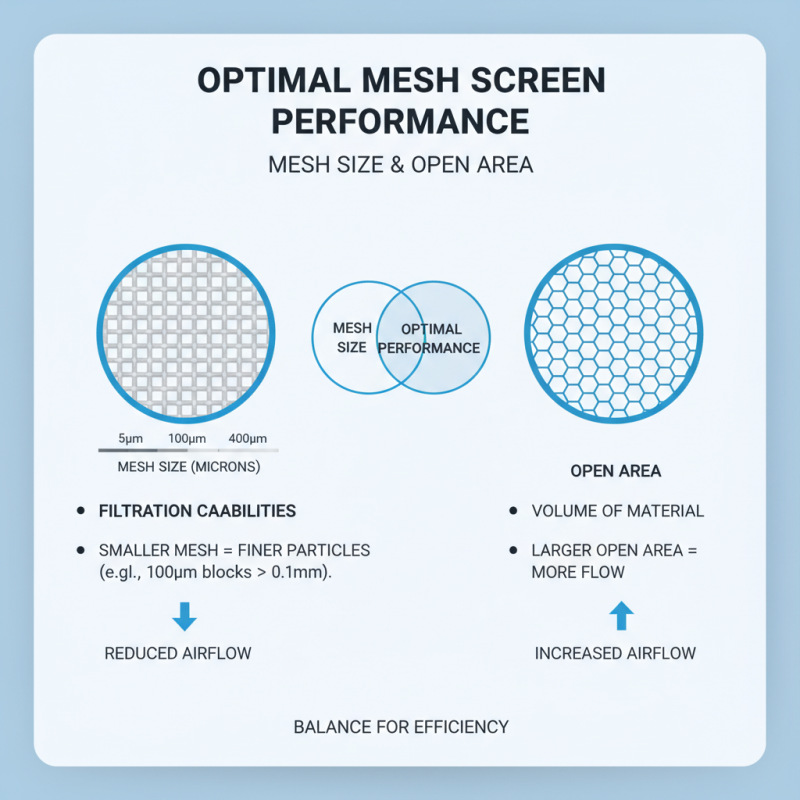
When selecting a fine mesh screen, think about the size of the openings. Smaller openings provide better filtration but may restrict airflow. This could lead to efficiency issues. Larger openings allow for greater flow. However, they may not filter fine particles effectively. A balance between the two is often needed.
Weight and thickness also matter. A thicker mesh often suggests more durability. But, it can be heavier and less flexible. Make sure you can handle it easily. Lastly, don't forget to review the screen's maintenance requirements. Some materials require extra care to maintain their effectiveness. Reflecting on these factors can help avoid costly mistakes later.
Evaluating Mesh Size and Open Area for Optimal Performance
When choosing a fine mesh screen, evaluating mesh size and open area is crucial. Mesh size determines the filtration capabilities. It is measured in microns. Common sizes range from 5 to 400 microns. A smaller mesh size captures finer particles, but may reduce airflow. A 100-micron mesh can block particles that are 0.1 mm or larger. However, it also limits the volume of material that passes through.
Open area is another critical metric. It represents the percentage of the screen that is open for flow. A higher open area allows for more efficient material flow. Reports suggest that screens with 40% open area can enhance performance by 20% compared to those with only 25%. Yet, these screens may compromise durability. Maintaining a balance between mesh size and open area is essential. Too tight a mesh means slower processing times. Is the trade-off worth it? Only testing can provide conclusive answers.
In practice, mesh selection can lead to unforeseen challenges. Operators may prioritize particle retention over flow rates. This focus can lead to blockages and maintenance issues. Many underestimate the effects of clogged mesh. Regular performance evaluations are recommended. The relationship between mesh size and open area should guide decisions. All these factors require careful consideration. Continuous reflection on performance metrics can improve processes over time.
Assessing Durability and Maintenance Requirements for Your Screen
When choosing a fine mesh screen, durability is a critical factor. A screen should withstand various environmental elements. Consider the material used. Stainless steel is robust but can rust without proper care. Aluminum offers lightweight benefits but may not last as long. Assess how the material interacts with different conditions.
Maintenance is equally essential. Regular cleaning prevents buildup and prolongs the screen's life. Dust, pollen, and moisture can accumulate, leading to deterioration. Sometimes, a simple rinse is not enough. For challenging debris, a gentle scrub may be necessary. Ensure you can easily access the screen for maintenance tasks.
It’s essential to evaluate your needs. Think about where the screen will be used. Indoor screens may have different requirements than outdoor ones. If a screen is exposed to harsh conditions, its durability will be challenged. Sometimes, spending less on a screen saves money in the short term but leads to replacement costs sooner. Reflect on your choices to choose wisely.
10 Essential Tips for Choosing the Right Fine Mesh Screen
| Tip Number |
Tip |
Material Type |
Durability Rating |
Maintenance Level |
| 1 |
Choose the right mesh size |
Stainless Steel |
High |
Low |
| 2 |
Consider corrosion resistance |
Polyester |
Medium |
Medium |
| 3 |
Evaluate flexibility |
Nylon |
Medium |
High |
| 4 |
Assess the weave type |
Aluminum |
High |
Low |
| 5 |
Check UV resistance |
PVC Coated |
Medium |
Medium |
| 6 |
Review frame compatibility |
Stainless Steel |
High |
Low |
| 7 |
Look for easy cleaning options |
Polyester |
Medium |
High |
| 8 |
Assess the weight |
Nylon |
Low |
Medium |
| 9 |
Consider storage options |
Aluminum |
High |
Low |
| 10 |
Evaluate cost-effectiveness |
PVC Coated |
Medium |
Medium |
Comparing Cost-Effectiveness and Longevity of Various Fine Mesh Options
When selecting a fine mesh screen, cost-effectiveness and longevity are key factors. Different materials can drastically affect both of these aspects. Stainless steel screens, while initially pricier, often outlast their plastic counterparts. They resist rust and wear, making them a sound investment over time. However, the upfront cost can be daunting for some.
It's essential to evaluate your needs. If a screen is for a temporary project, a less expensive option might suffice. But if the screen will face harsh conditions, investing in quality is wise. Look for specifications like mesh size and enduring materials. These factors often determine how well the screen performs and how long it lasts.
Consider ease of maintenance, too. Some options require regular cleaning, while others let dirt slide off more easily. A fine mesh screen that’s simple to maintain can save you time and effort. Ultimately, weighing cost against the potential longevity can help you make an informed decision. Choose wisely, or you might find yourself replacing screens all too often.
 No. 14, Building 2, No. 367 Beijing Road, Chengdu Economic and Technological Development Zone (Longquanyi District)