How to Choose Fine Mesh for Your Global Sourcing Needs?
Choosing the right Fine Mesh for your sourcing needs is crucial in today's market. Experts like Dr. Emily Wong, a renowned materials engineer, emphasize, "The right mesh can enhance production quality and efficiency." Understanding the specifications of Fine Mesh is essential for various industries, from pharmaceuticals to agriculture.
Fine Mesh varies in material, opening size, and weave type. Sifting through these options can be daunting. Each choice impacts product quality and operational performance. Buyers often overlook the significance of mesh selection, leading to costly mistakes.
Quality is paramount, yet many suppliers do not meet industry standards. This inconsistency raises concerns among global sourcing teams. Reflecting on these challenges, it becomes clear that informed choices are vital for success. Selecting the right Fine Mesh requires careful consideration of your specific needs and supplier reliability.
Understanding Fine Mesh Types and Specifications for Sourcing
Choosing the right fine mesh for your sourcing needs involves understanding its types and specifications. Fine mesh is commonly used in various industries, such as food processing, pharmaceuticals, and construction. It serves critical functions, like filtration, separation, and protection. Mesh types can vary by material, such as stainless steel or nylon, and by weave structure, such as twill or plain. Each type has distinct properties affecting performance and longevity.
Specifications also play a crucial role in selection. Mesh openings are measured in microns or mesh count. A smaller opening size typically means finer filtration, but may also increase resistance. Consider the flow rate and pressure of the application. It’s essential to balance the mesh size with the intended purpose. Sometimes, more stringent requirements can lead to sourcing challenges.
It’s easy to overlook mesh durability. Some materials may degrade under specific chemical conditions or extreme temperatures. Testing samples before full-scale sourcing can reveal potential issues. Always analyze the trade-offs between cost and quality. A cost-effective solution might compromise functionality and safety. Understanding these nuances fosters more informed decisions in a global sourcing context.
How to Choose Fine Mesh for Your Global Sourcing Needs?
| Mesh Type |
Wire Diameter (mm) |
Opening Size (mm) |
Material |
Common Applications |
| Stainless Steel Mesh |
0.1 |
0.5 |
Stainless Steel |
Filtration, Industrial Sieving |
| Nylon Mesh |
0.08 |
0.3 |
Nylon |
Food Processing, Agriculture |
| Polyester Mesh |
0.05 |
0.4 |
Polyester |
Printing, Screening |
| Brass Mesh |
0.2 |
0.6 |
Brass |
Decorative Applications, Screening |
| Aluminum Mesh |
0.15 |
0.7 |
Aluminum |
HVAC Filters, Screens |
Identifying Key Applications for Fine Mesh in Different Industries
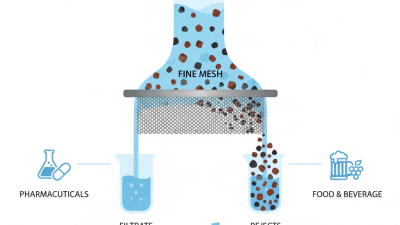
When selecting fine mesh for various industries, understanding its applications is crucial. Fine mesh is widely used in pharmaceuticals for filtering and separating particles. It ensures that formulations are pure and meet regulatory standards. In the food industry, it aids in sifting flour or straining liquids. The right mesh size can enhance texture and flavor, affecting overall quality.
In the aerospace sector, fine mesh plays a vital role in manufacturing components. It helps in processes like filtration and protecting sensitive equipment from contaminants. Additionally, fine mesh is essential in environmental applications, such as controlling particulate emissions. These areas demand high precision and reliability, which fine mesh can provide.
Choosing the wrong mesh can lead to inefficiencies or product failure. It’s important to consider factors like material, size, and application. Different industries have unique requirements, and mesh that works well in one context might not suit another. Engage with specialists to analyze your needs and explore the perfect mesh options for your specific application.
Evaluating Quality Standards and Certifications for Fine Mesh Products
When sourcing fine mesh products, understanding quality standards is crucial. Different industries have varied requirements, and certifications can help ensure that products meet safety and performance benchmarks. For example, ISO 9001 is commonly mandated for quality management systems across numerous sectors. Reports indicate that companies with this certification often experience a 20% reduction in operational costs.
Furthermore, fine mesh products used in food processing must meet regulations from organizations like the FDA or EU standards. These certifications guarantee that materials used are safe, durable, and suitable for their intended use. A recent study highlighted that 70% of businesses prioritize compliance with such standards when selecting suppliers. This trend shows the growing importance of certified products in ensuring quality.
However, challenges remain in evaluating these certifications. Not all suppliers may fully disclose their compliance status. Some may use ambiguous terms that can mislead buyers. It’s vital to directly request documentation and verify certification with issuing authorities. Failing to do so could lead to compromised quality and unexpected setbacks in production. Balancing cost with quality becomes a nuanced challenge.
Assessing Supplier Capabilities and Reliability for Global Sourcing
When sourcing fine mesh globally, assessing supplier capabilities is crucial. Many suppliers claim to meet standards, but not all deliver quality. Begin by examining their production processes. A reliable supplier should provide details about their manufacturing methods and quality control systems.
It's essential to check their experience in the industry. A well-established supplier often has a track record of reliability. Ask for references from past clients. This can provide insights into their service quality. Confirm if they have proper certifications. Certifications validate professional standards and ensure that the supplier adheres to industry norms.
Yet, be cautious. Some suppliers might have impressive credentials but lack real-world reliability. Conduct site visits if possible. Understand their working conditions and employee morale. These aspects can reveal a lot about their commitment to quality and sustainability. Don't hesitate to ask probing questions. This can highlight potential red flags before making a decision.
Supplier Assessment for Fine Mesh Sourcing
Comparing Cost vs. Quality Trade-offs in Fine Mesh Selection
When selecting fine mesh for global sourcing, cost and quality are crucial factors. Balancing these elements often poses a challenge. Low-cost options might seem appealing, but they can result in subpar performance. For instance, a cheaper mesh may deteriorate quickly, leading to unexpected replacement costs. Investing a bit more in quality can yield better long-term results.
Quality fine mesh can enhance product performance and extend usability. High-grade materials offer durability and reliability. However, some sourcing agents may prioritize the lowest price, compromising quality. This trade-off can affect not only product integrity but also brand reputation. Regularly evaluating the mesh's characteristics is essential to avoid pitfalls.
In the end, understanding the specific needs of your application is vital. Consider how mesh will be used. Will it face high pressures or harsh environments? Conducting thorough testing before making a final decision can prevent costly mistakes down the line. Keep in mind, the cheapest option is not always the best value. A well-informed choice fosters both quality and cost-effectiveness.
 No. 14, Building 2, No. 367 Beijing Road, Chengdu Economic and Technological Development Zone (Longquanyi District)