2026 How to Choose the Best Pu Dehydrated Screen for Your Needs?
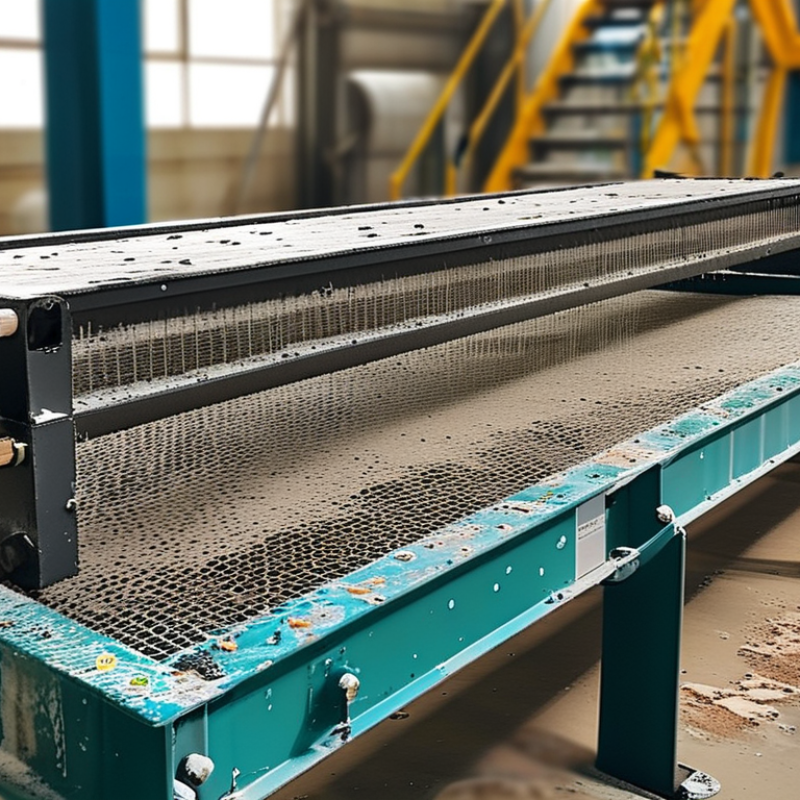
Choosing the right Pu Dehydrated Screen is crucial for your operational needs. This equipment plays a vital role in many industries, particularly in processing and filtration. Selecting the best option can significantly impact efficiency and product quality.
Consider the material quality, screen size, and mesh specifications. Each factor affects the performance of a Pu Dehydrated Screen. A wrong choice may lead to costly downtime and inefficiencies. It's essential to understand your specific requirements before making a decision.
Evaluate different brands and models. Researching expert reviews and customer feedback is beneficial. Remember, what works for one application might not suit another. Be open to learning from your selections. The perfect Pu Dehydrated Screen should align with your unique goals while enhancing productivity.
Understanding Pu Dehydrated Screens and Their Applications
Pu dehydrated screens serve critical functions across various industries, from food processing to pharmaceuticals. These screens efficiently remove moisture from products while maintaining their quality. According to industry reports, the global market for dehydrated screens is expected to reach $400 million by 2025, highlighting their growing importance. This technology enhances product shelf life and reduces waste, making it crucial for businesses focused on sustainability.
Understanding the specific applications of Pu dehydrated screens is vital. In food processing, they help retain nutrients while removing excess water. This ensures that dried fruits, vegetables, and herbs maintain their flavor and health benefits. Similarly, in pharmaceuticals, these screens ensure that active ingredients remain viable after dehydration. However, selecting the right screen requires consideration of material compatibility and desired moisture levels.
While Pu materials offer high durability and efficiency, they can also present challenges. Users may face difficulties with post-dehydration rehydration rates. Some materials might not perform well under extreme conditions, leading to product inconsistency. Hence, proper evaluation and testing are necessary to achieve optimal results. A thoughtful approach to screen selection can greatly enhance the effectiveness of dehydration processes in various sectors.
Key Factors to Consider When Choosing a Pu Dehydrated Screen
When selecting a PU dehydrated screen, several key factors come into play. Begin by evaluating the mesh size. A finer mesh can effectively capture smaller particles, ensuring better separation. However, this may also lead to reduced flow rates. Balancing these two aspects is crucial for optimal performance.
Material durability is another important consideration. Look for screens made with robust PU materials that resist wear and tear. Screens should withstand harsh conditions and maintain their performance over time. Also, consider how easy they are to clean. A user-friendly design can save time and reduce downtime in operations.
Finally, think about your specific needs. One size does not fit all. What works well for one application may not be effective for another. Take time to analyze your process requirements. Flaws might arise in choosing something based solely on cost. It's worth reflecting on these choices to ensure long-term satisfaction. Finding the perfect PU dehydrated screen involves careful consideration of these factors, prioritizing quality over quick fixes.
Comparing Different Types of Pu Dehydrated Screens
When selecting a PU dehydrated screen, it is essential to understand the differences between types. Each screen has distinct features that cater to various needs. Some screens are designed for durability, suitable for heavy-duty applications. Others prioritize flexibility and lightweight design, making them easy to install.
Look for screens that offer specific pore sizes to meet your filtration demands. A finer pore size may ensure better filtration, but it could also lead to clogging. It’s vital to find a balance between filtration efficiency and maintenance frequency. Consider the environment where the screen will be used. Factors such as temperature and humidity can affect the screen’s performance.
Testing different types of screens can be invaluable. Some may perform admirably in controlled settings but fail in real-world applications. Be prepared to evaluate their effectiveness over time. Observing how they hold up under stress can inform better decisions in the long run. Always keep your unique needs at the forefront of your selection process.
Maintenance Tips for Extending the Life of Pu Dehydrated Screens
Maintaining your Pu dehydrated screens is vital for their longevity and efficiency. Regular cleaning is essential. Accumulated debris can obstruct performance. Use a soft brush or cloth to gently remove dust or particles. This small action can significantly enhance the screen's lifespan.
It's also crucial to monitor the tension of the screen. Over time, the material can sag or stretch. A properly tensioned screen ensures effective separation and reduces wear and tear. Regularly check the alignment and adjust as needed. This helps maintain optimal performance.
Storage conditions play a significant role in the durability of your screens. Keep them in a dry environment, away from direct sunlight. Humidity and UV rays can degrade the material. Inspect for any signs of damage before storing them. These simple but effective maintenance practices often get overlooked, yet they can prevent costly replacements down the line.
2026 How to Choose the Best Pu Dehydrated Screen for Your Needs?
| Dimension |
Value |
| Material Type |
PU (Polyurethane) |
| Screen Size |
1200mm x 2400mm |
| Thickness |
10mm |
| Weight |
25 kg |
| Mesh Size |
0.5mm |
| Operating Temperature |
-20 to 80 °C |
| Service Life |
Up to 5 years |
| Maintenance Frequency |
Every 6 months |
Cost Analysis: Budgeting for a Quality Pu Dehydrated Screen
When budgeting for a quality PU dehydrated screen, careful consideration is essential. Prices can vary widely based on features and durability. It's crucial to assess what specific needs you have. Screens meant for heavy-duty use will likely cost more. However, cheaper options may not withstand the test of time.
Look for essential features. Some screens come with advanced filtration capabilities. This can result in better performance but add to the cost. Balancing features with your budget is necessary. Sometimes, spending more upfront saves money in the long run through durability. Quality matters significantly in equipment like dehydrated screens.
Do your research thoroughly. While you might feel drawn to lower-priced options, consider their long-term effectiveness. Have they received positive reviews? Check online forums and user feedback. Understanding real user experiences can guide your decision. Additionally, don't forget to factor in maintenance costs over time. Regular maintenance can prolong the life of your screen, improving overall value.
 No. 14, Building 2, No. 367 Beijing Road, Chengdu Economic and Technological Development Zone (Longquanyi District)