How to Choose the Right Fine Mesh Screen for Your Needs?
In the world of industrial filtration, choosing the right Fine Mesh Screen is crucial. Expert John Anderson, a leading authority in the filtration industry, states, “A Fine Mesh Screen can make or break your project.” The selection process involves understanding your specific needs and the material being filtered. The type of mesh, its size, and the application will significantly affect your results.
Fine Mesh Screens are used in various industries, from food processing to pharmaceuticals. Each application requires different specifications. For example, a construction site may need a durable screen for sand, while a laboratory may require finer filtration for powders. These distinctions highlight the need for careful consideration in your choice.
Rushing the decision can lead to inefficiencies. Not all Fine Mesh Screens are created equal. Some may not withstand certain conditions, leading to costly failures. It’s essential to analyze your requirements thoroughly and consult with experts to avoid these pitfalls. The right screen is not just an accessory; it is a vital component of your workflow.
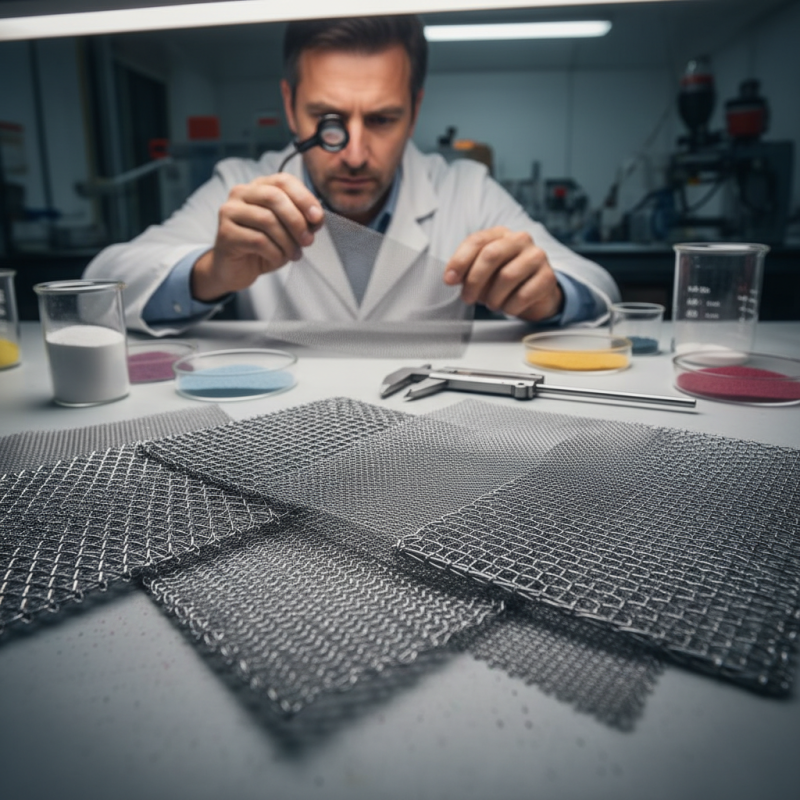
Understanding Fine Mesh Screen Types and Materials
When selecting a fine mesh screen, understanding the types and materials is essential.
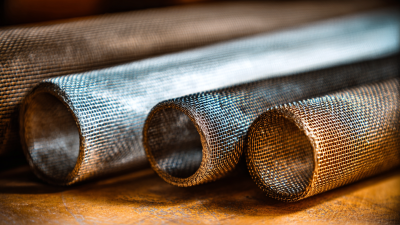
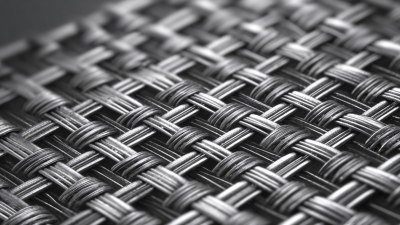
Wire mesh screens are common.
They come in stainless steel or nylon. Stainless steel offers
durability and resistance to corrosion. On the other hand, nylon is lightweight and flexible.
Both have their own applications depending on your needs.
Plastic mesh screens, such as polyethylene, are also an option. They resist chemicals and UV light.
However, they may not hold up under extreme temperatures. Each material has its pros and cons,
impacting longevity and performance. A careful evaluation of your specific use case is vital.
Consider the mesh size as well. Fine mesh is great for filtering small particles,
but it can clog easily. Coarse mesh allows for better airflow but may miss finer contaminants.
Finding the right balance is crucial. A thoughtful approach can lead to better outcomes
in your projects, helping you make an informed choice.
Assessing the Purpose and Application of Fine Mesh Screens
When selecting a fine mesh screen, it’s essential to consider its intended purpose. Different applications require specific mesh sizes and materials. For instance, filtration in food processing demands screens that can withstand moisture and heat. In contrast, screens for gardening may focus more on durability and UV resistance. Understanding these varied needs is crucial for achieving optimal results.
Evaluating the application will highlight the necessary features. A laboratory setting might need fine mesh screens that provide high precision. Yet, in construction, ruggedness takes precedence. Users often overlook the importance of mesh material. Stainless steel screens offer longevity in harsh conditions, while nylon screens are lightweight for less demanding uses.
It’s also beneficial to test screens before a large commitment. Look for samples to assess their effectiveness. This approach helps in identifying any shortcomings. Reflecting on the choice can lead to better results. Mesh screens are a small but vital component, influencing the overall efficiency of your project.
Determining the Appropriate Mesh Size for Your Needs
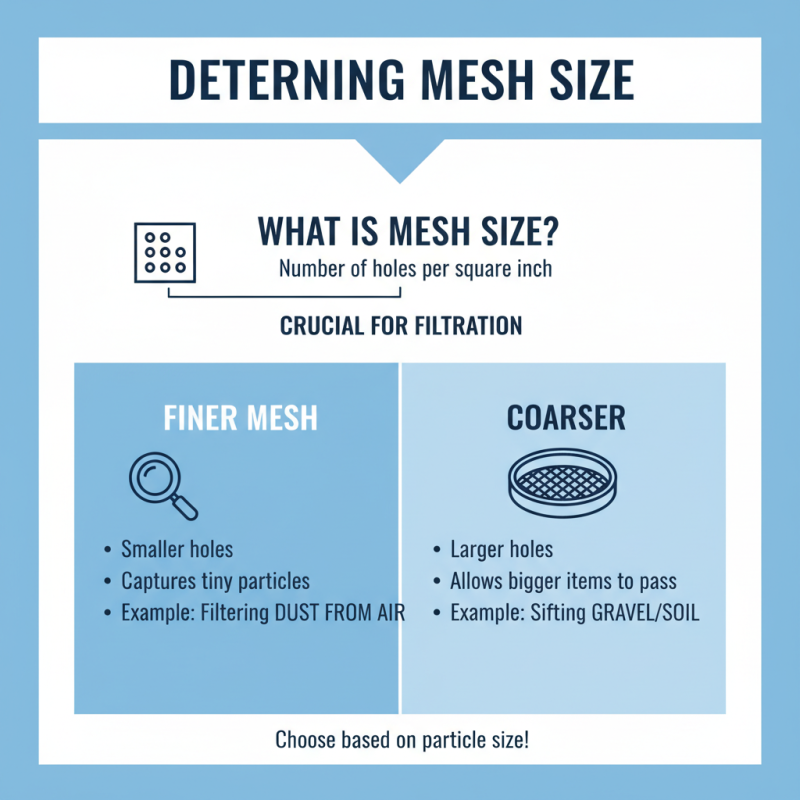
Choosing the right mesh size is crucial for various applications. The mesh size indicates the number of holes per square inch. A finer mesh will capture smaller particles, while a coarser mesh allows larger items to pass through. For instance, if you're filtering dust from air, a mesh with a smaller opening is essential.
Consider what you need to filter. If you're working with liquids, precise mesh sizes can affect the clarity of the final product. A larger mesh might let unwanted solids slip through. This could lead to poor results. Testing different sizes can help you find the best option. It’s an experimentation process.
Pay attention to the material of the mesh as well. It affects durability and resistance to corrosion. A miscalculation in mesh size or material choice can result in failure. Evaluate your priorities: filtration efficiency, strength, and cost. Don’t rush the decision. Take time to gather feedback and test various options. This approach will guide you toward the right choice.
Evaluating Durability and Maintenance Requirements
When selecting a fine mesh screen, durability and maintenance are crucial factors. Industry studies show that screens made from stainless steel have an average lifespan of 10 to 15 years. In contrast, nylon screens may only last up to 5 years, depending on usage. Choosing the right material affects not just longevity, but also performance.
Consider how often the screen will be in use. Frequent exposure to elements can lead to wear and tear. For example, screens used outdoors may face harsher conditions that shorten their lifespan. Regular maintenance adds years to your screen’s life. Cleaning with mild soap and water, and avoiding abrasive tools can prevent unnecessary damage.
It's essential to evaluate your specific needs. Screens designed for food processing require different maintenance than those used in construction. In some cases, a more durable screen may cost more upfront but prove to be more economical over time. Even with robust materials, proper care remains vital. Users often overlook this, leading to premature replacement. The right balance of durability and maintenance can save money in the long run while ensuring effectiveness in your specific applications.
Comparing Cost and Quality of Different Fine Mesh Screens
When selecting a fine mesh screen, cost and quality play crucial roles. Industry reports show that prices can vary significantly. Lower-quality options may cost around $1 per square foot, while premium screens can exceed $4 per square foot. This discrepancy often correlates with the materials used, mesh size, and durability.
For instance, stainless steel options are generally more expensive but offer greater resistance to wear and corrosion. In contrast, nylon screens are lighter and cheaper but may not last as long. According to a market analysis by Grand View Research, fine mesh screens market is projected to grow by 8.3% annually through 2027, indicating increasing demand for quality products.
Consumers face challenges in balancing budget constraints with the desire for high-quality screens. While a lower upfront cost may be tempting, long-term performance and durability should not be overlooked. Investing in a higher-quality screen may reduce the frequency of replacements, resulting in better cost-effectiveness over time. Understanding your specific needs is essential when navigating these options.
Comparing Cost and Quality of Different Fine Mesh Screens
 No. 14, Building 2, No. 367 Beijing Road, Chengdu Economic and Technological Development Zone (Longquanyi District)