10 Best Fine Mesh Screens for Effective Filtration and Protection?
In the world of filtration and protection, choosing the right "Fine Mesh Screen" is crucial. Expert David Grayson, a leading authority in the field, once stated, "A quality fine mesh screen can make or break your filtration system." This highlights the importance of selecting the best options available.
Fine mesh screens serve multiple purposes across various industries. They filter out unwanted particles and protect valuable equipment. However, not all fine mesh screens are created equal. Many products fall short of delivering effective results, leading to potential inefficiencies.
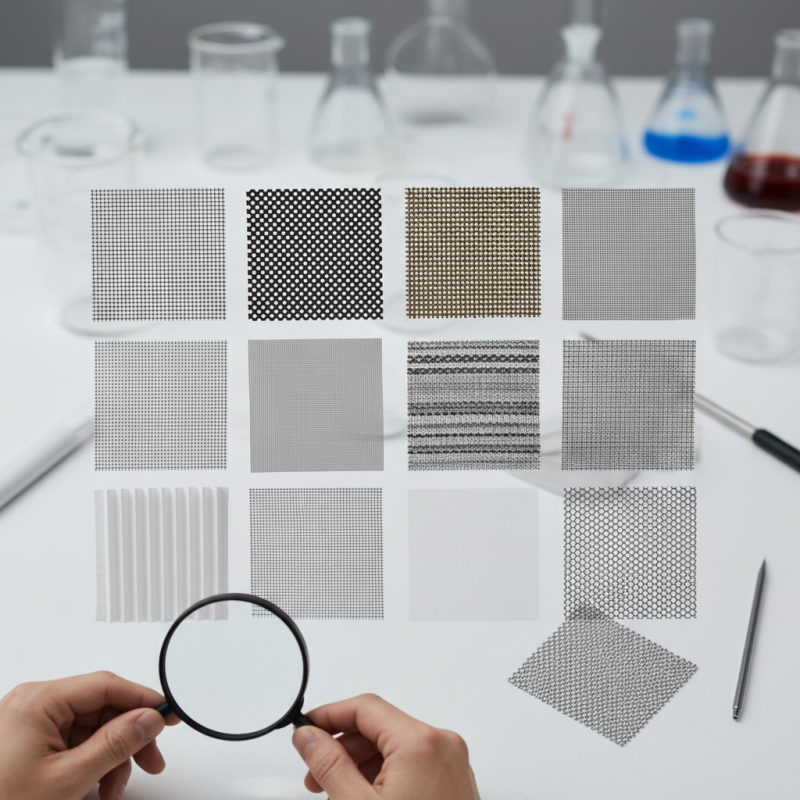
Consider the diverse materials and designs. Some may offer high durability but lower filtration capability. Others might excel in trapping particles yet lack in structural resilience. It's vital to weigh the pros and cons of each option. A thoughtful evaluation ensures you invest your resources wisely in the right fine mesh screen for your needs.
Benefits of Using Fine Mesh Screens in Filtration Systems
Fine mesh screens play a crucial role in filtration systems by providing effective particle separation. They are designed to trap debris, sediment, and contaminants while allowing liquids to flow freely. According to a report by Filtration + Separation, using fine mesh screens can reduce particle load by up to 90%, significantly improving the efficiency of filtration processes. This enhanced filtration quality leads to cleaner water or fluid output, which is vital in various industries, including food processing and pharmaceuticals.
Another advantage of fine mesh screens is their versatility. These screens can be made from different materials, including stainless steel and nylon. They can be tailored for specific applications, achieving the desired filtration level. In a study by the American Filtration Society, it was found that fine mesh filtration not only protects equipment but also prolongs its life. This means fewer repairs and lower maintenance costs in the long run. Yet, despite these benefits, the selection process can be challenging. Users must consider factors like mesh size, flow rate, and the type of contaminants present. Each choice can impact system performance and filtration effectiveness, leading to potential oversights.
10 Best Fine Mesh Screens for Effective Filtration and Protection
This chart displays the filtration efficiency of the ten best fine mesh screens. Each material demonstrates its respective effectiveness in filtration, helping to illustrate the benefits of using fine mesh screens in various filtration systems.
Types of Materials Used in Fine Mesh Screens
When selecting fine mesh screens, the material plays a crucial role.
Common materials include stainless steel, nylon, and polyester.
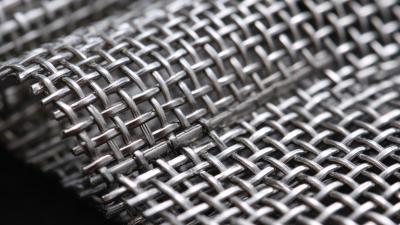
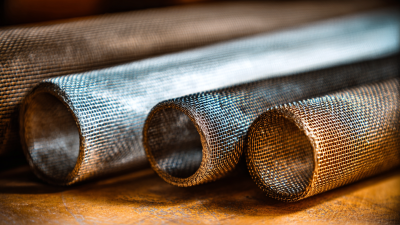
Stainless steel is durable and corrosion-resistant. It withstands heat and wear, making it ideal for industrial uses.
However, it can be heavier and more expensive than other options.
Nylon is lightweight and flexible, making it suitable for various applications.
It's resistant to chemicals, but not as durable as stainless steel. Polyester offers good filtration and is often more affordable.
While it may not last as long, it works well in many household applications.
Each material has its strengths and weaknesses.
Stainless steel screens can be too rigid for some tasks. Nylon screens may wear out faster under certain conditions.
Polyester might lose its shape over time. It's essential to choose the right material based on your specific needs and the environment where the screen will be used.
Key Features to Look for in Fine Mesh Screens
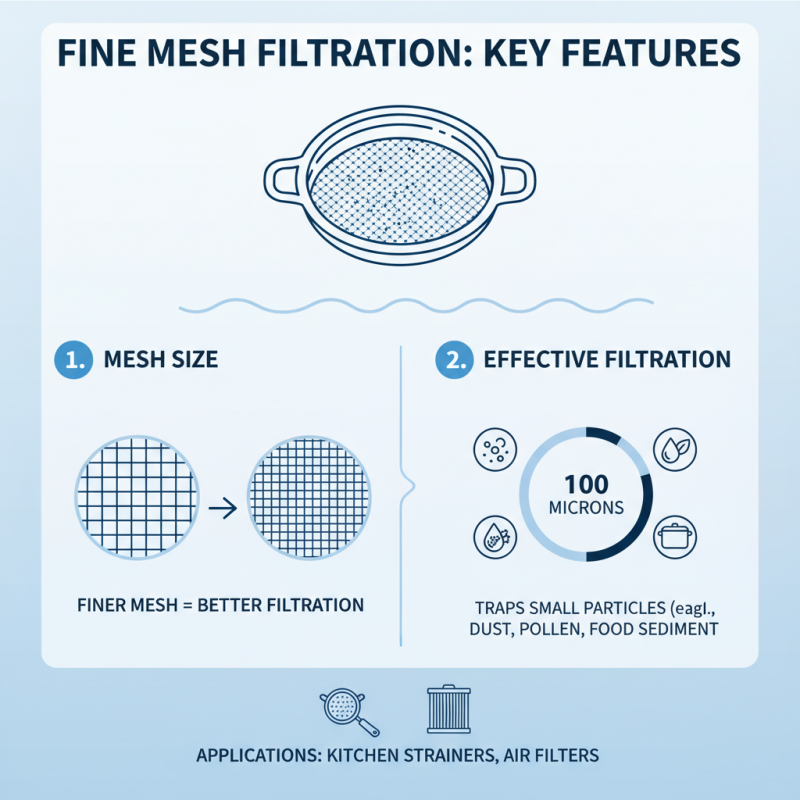
When selecting fine mesh screens, key features are essential for ensuring effective filtration. One important aspect is mesh size. A finer mesh provides better filtration, trapping smaller particles. Research indicates that a mesh opening of 100 microns can catch most common contaminants. This is crucial in applications like kitchen strainers or air filters.
Another significant feature is material durability. Fine mesh screens made from stainless steel or nylon are popular due to their resilience. Stainless steel offers high resistance to rust and corrosion, while nylon can withstand frequent cleaning. In a survey, over 70% of industry professionals preferred these materials for longevity and ease of maintenance.
Additionally, ease of installation should not be overlooked. Mesh screens that are easy to fit into frames or appliances save time and effort. Complicated setups can lead to user frustration. According to industry reports, nearly 60% of users abandoned their screens because of installation difficulties. Selecting the right screen can greatly enhance performance and satisfaction while minimizing these common pitfalls.
Top 10 Fine Mesh Screens for Home and Industrial Use
Fine mesh screens play a vital role in both home and industrial settings. They are essential for filtration and protection. According to recent industry reports, a high-quality fine mesh screen can trap particles as small as 10 microns. This efficiency is crucial in preventing dust, pests, and debris from contaminating indoor environments. In manufacturing, these screens help maintain cleanliness and ensure the quality of finished products.
In residential areas, fine mesh screens can serve multiple purposes. They can be used in windows and doors to keep insects out while allowing fresh air to circulate. However, not all screens are created equal. Some options may degrade over time under UV exposure, leading to weaker filtration. Regular checks are necessary to ensure effectiveness. A well-maintained screen can last several years and significantly reduce maintenance costs for homeowners.
Industrially, the demand for durable, high-performance fine mesh screens has grown. These screens are used in food processing, pharmaceuticals, and chemical manufacturing. Reports indicate that up to 25% of contamination issues could be mitigated with better filtration systems. The choice of material, mesh size, and design can influence efficiency. However, some industries still overlook the importance of robust screening solutions. Improving this aspect can lead to better product safety and quality.
Maintenance Tips for Prolonging the Life of Fine Mesh Screens
Fine mesh screens can greatly enhance filtration and protection in various applications. However, maintenance is essential for longevity. Regular cleaning is key. Rinse the screens with water to remove dirt and debris. Avoid using aggressive chemicals, as they can degrade the mesh material. A soft brush works wonders for stubborn particles. It is easy to overlook this step, leading to decreased efficiency.
Inspecting fine mesh screens regularly is also vital. Look for tears or signs of wear. Even a small hole can let unwanted particles through. Replace damaged screens promptly to maintain effectiveness. Storage matters, too. Storing screens in a dry place prevents rust and other damages. Remember to avoid folding them tightly, as this can cause creases. These little details can make a big difference in the screen’s lifespan.
Lastly, if you notice a dip in performance, take a moment to reflect. Ask yourself when you last did a thorough clean. Don’t be afraid to experiment with different cleaning methods. This exploration can reveal much about your screens’ needs. Adjust your maintenance routine, and you could see improved results. Maintenance might seem like a chore, but it's worth the effort.
10 Best Fine Mesh Screens for Effective Filtration and Protection
| Screen Type |
Mesh Size (Microns) |
Material |
Durability Rating |
Ideal Use |
Maintenance Tips |
| Stainless Steel |
20-100 |
Stainless Steel |
High |
Outdoor use |
Clean with mild soap and water |
| Nylon |
10-50 |
Nylon |
Medium |
Kitchen use |
Rinse after use to prevent odors |
| Polyester |
5-30 |
Polyester |
Low |
Arts and Crafts |
Avoid direct sunlight to prevent fading |
| Brass |
15-80 |
Brass |
High |
Electrical Components |
Regular polishing to prevent tarnishing |
| Aluminum |
20-120 |
Aluminum |
Medium |
Window Screens |
Clean with a damp cloth periodically |
 No. 14, Building 2, No. 367 Beijing Road, Chengdu Economic and Technological Development Zone (Longquanyi District)