What are the Benefits of Using Fine Mesh Metals in Manufacturing?
In modern manufacturing, the choice of materials plays a crucial role in determining performance and efficiency. Fine Mesh Metals have emerged as a preferred option among manufacturers looking for versatility and durability. These materials offer unique properties that enhance productivity, increase precision, and improve overall product quality.
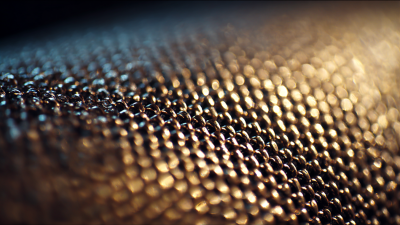
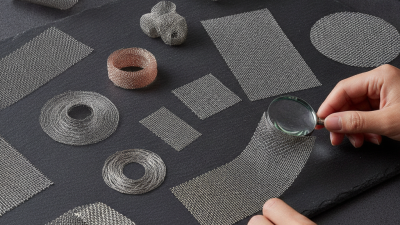
Fine Mesh Metals consist of tightly woven structures that allow for exceptional filtration and strength. They can be used in various industries, such as aerospace, automotive, and healthcare. This versatility is a significant advantage, although some manufacturers may overlook their potential. Understanding the nuances of Fine Mesh Metals can lead to innovative solutions and improved outcomes in manufacturing processes.
Moreover, using Fine Mesh Metals comes with challenges that warrant careful consideration. While they are sturdy, proper handling and application are essential. Manufacturers must strike a balance between cost and benefits. Exploring these complexities can reveal insightful strategies for optimizing production. As industries continue to evolve, Fine Mesh Metals will play a vital role in shaping future manufacturing innovations.
Overview of Fine Mesh Metals in Manufacturing
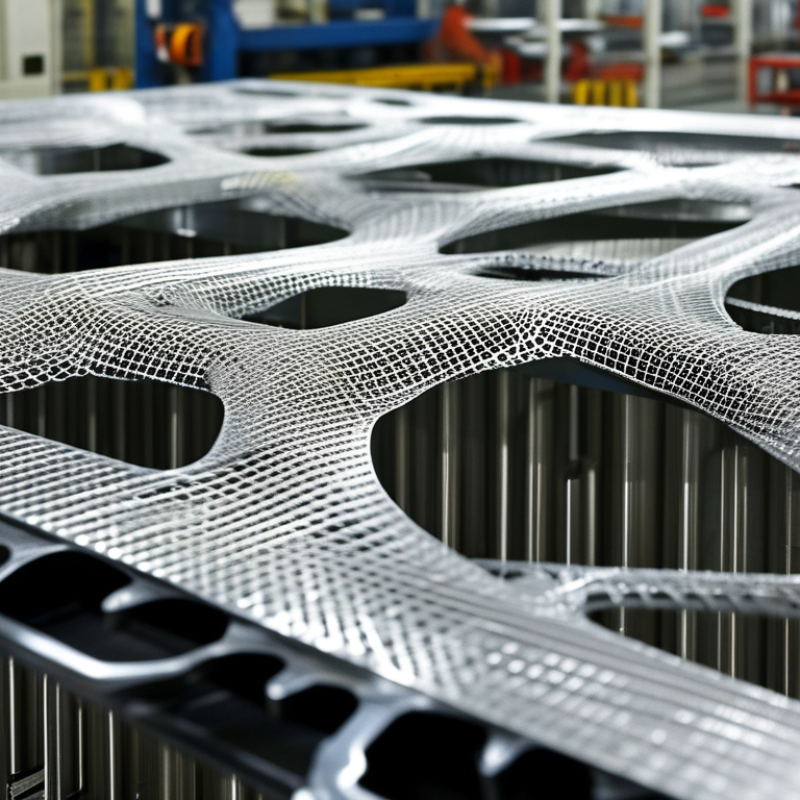
Fine mesh metals play a crucial role in various manufacturing processes. These materials are characterized by their small openings, allowing for efficient filtration and separation. They can be used in industries ranging from food processing to pharmaceuticals. Manufacturers appreciate the versatility of fine mesh metals in creating products with precise specifications.
Using fine mesh metals can lead to enhanced product quality. They provide consistent results in filtering unwanted particles. This capability is essential for maintaining the integrity of sensitive materials. Additionally, these metals are often highly durable, ensuring a long lifespan even under rigorous conditions. However, manufacturers must consider the trade-offs. Fine mesh can sometimes restrict flow rates, leading to efficiency challenges.
When working with fine mesh metals, attention to detail is vital. Ensure that the mesh size suits the intended application to avoid costly mistakes. It's also beneficial to regularly inspect the mesh for wear and tear to maintain optimal performance. Proper cleaning methods will prolong its lifespan, but remember that over-cleaning could damage the mesh structure. Careful planning and knowledge can maximize the benefits fine mesh metals offer.
Advantages of Fine Mesh Metals for Product Performance
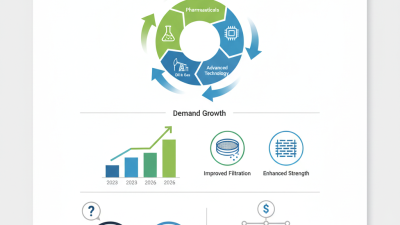
Fine mesh metals are transforming product performance in various manufacturing sectors. Their unique properties enhance filtration, strength, and overall functionality. For instance, fine mesh sieves allow for efficient separation of materials. Research suggests that using fine mesh can increase efficiency by up to 30% in certain applications. This significant improvement makes them a vital choice for businesses looking to optimize their processes.
Manufacturers find that fine mesh metals reduce weight without compromising durability. This characteristic is crucial in industries like aerospace, where every ounce matters. Additionally, fine mesh can improve thermal management. Studies indicate that components made with fine mesh can have better heat dissipation, leading to longer lifespans. This is especially relevant in high-performance applications where overheating can be catastrophic.
When considering fine mesh metals, keep in mind the importance of selecting the right aperture size. A smaller aperture may improve filtration but could limit flow rates. Experimenting with different mesh configurations can yield better results. Always assess the specific needs of your product application to maximize performance.
Applications of Fine Mesh Metals Across Industries
Fine mesh metals are increasingly finding their place across various industries due to their unique properties. These materials are often used in filtration systems, where precision and reliability are paramount. In the pharmaceutical sector, fine mesh metals enable the effective separation of bacterial contaminants from liquids, ensuring product safety. Similarly, in food processing, these metals help in the removal of unwanted particles, maintaining high-quality standards.
In manufacturing, fine mesh metals are utilized for sieving and sizing materials like powders and granules. This application guarantees consistent product quality and improves process efficiency. Automotive industries employ fine mesh metals in component manufacturing, enhancing airflow in engines and improving overall performance. The aerospace sector also benefits from their lightweight and durable properties, which contribute to fuel efficiency.
Consider the sourcing of fine mesh metals. It’s essential to evaluate suppliers thoroughly. Check for certifications that reflect quality standards. Small variations in mesh size can significantly affect performance. Ensure you fully understand your requirements before making decisions. Testing samples can often reveal nuances that specifications may not cover. Aim to build strong relationships with trusted suppliers to ensure a steady flow of materials and support over time.
Cost-Effectiveness of Fine Mesh Metals in Production
Fine mesh metals offer distinct cost-effectiveness in manufacturing. Their lightweight nature reduces material costs, promoting efficient use. Companies can produce more units with less waste. This leads to lower production expenses overall. Fine mesh materials also enhance product durability. This means fewer replacements and repairs, saving money long term.
Incorporating fine mesh solutions can optimize processes. They provide improved filtration and separation. This reduces the need for additional components, streamlining operations. However, it’s essential to choose the right mesh size. Too fine a mesh can complicate production and affect productivity. Balancing quality and efficiency is crucial.
While fine mesh metals are advantageous, challenges exist. They may require specialized handling and processing. This could increase initial costs. Manufacturers must evaluate their specific needs. Assessing long-term benefits against upfront expenses is vital. Consider experimenting with different mesh specifications before full implementation. Adjustments may lead to significant cost savings over time.
Benefits of Using Fine Mesh Metals in Manufacturing
| Benefit |
Description |
Cost-Effectiveness |
Applications |
| Enhanced Filtration |
Fine mesh metals provide high precision and efficiency in filtering applications. |
Reduces waste and improves product yield. |
Food industry, pharmaceuticals. |
| Increased Strength |
Fine mesh metals enhance structural integrity without adding significant weight. |
Lower raw material costs due to reduced bulk. |
Aerospace, automotive. |
| Versatile Manufacturing |
Can be customized for a variety of applications and processes. |
Flexible production methods save costs over time. |
Electronics, construction. |
| Improved Thermal Management |
Enhances heat dissipation in high-performance environments. |
Reduces cooling system costs and energy consumption. |
Data centers, industrial machinery. |
| Cost Savings |
Lower maintenance and operational costs compared to traditional materials. |
Significant long-term savings on replacements and repairs. |
All manufacturing sectors. |
Comparison of Fine Mesh Metals with Traditional Filtration Methods
Fine mesh metals offer distinct advantages over traditional filtration methods. With pore sizes reaching down to 1 micron, they can efficiently filter out fine particles. Research indicates that fine mesh can reduce particle contamination by over 90%, significantly enhancing product quality. Traditional methods often struggle to capture small particles effectively, leading to potential issues with cleanliness and efficiency.
These metals are often more durable and resistant to corrosion. Unlike many conventional filters, fine mesh metals can be cleaned and reused. This capability can lead to cost savings over time. A recent industry report highlights that businesses adopting fine mesh solutions saw a 25% reduction in replacement costs. However, potential limitations include the initial cost of installation and the need for specialized maintenance.
When considering filtration solutions, think about your long-term needs. Evaluate the balance between initial investment and ongoing savings. Regular maintenance schedules help ensure optimal performance. Monitor your system's efficiency closely to identify any deterioration in filtration quality. While fine mesh technology has many benefits, it's crucial to address challenges appropriately. Always stay informed about best practices in filtration methods to make the best selection for your manufacturing needs.
 No. 14, Building 2, No. 367 Beijing Road, Chengdu Economic and Technological Development Zone (Longquanyi District)