What are the Advantages of Using Pu Screen Panel?
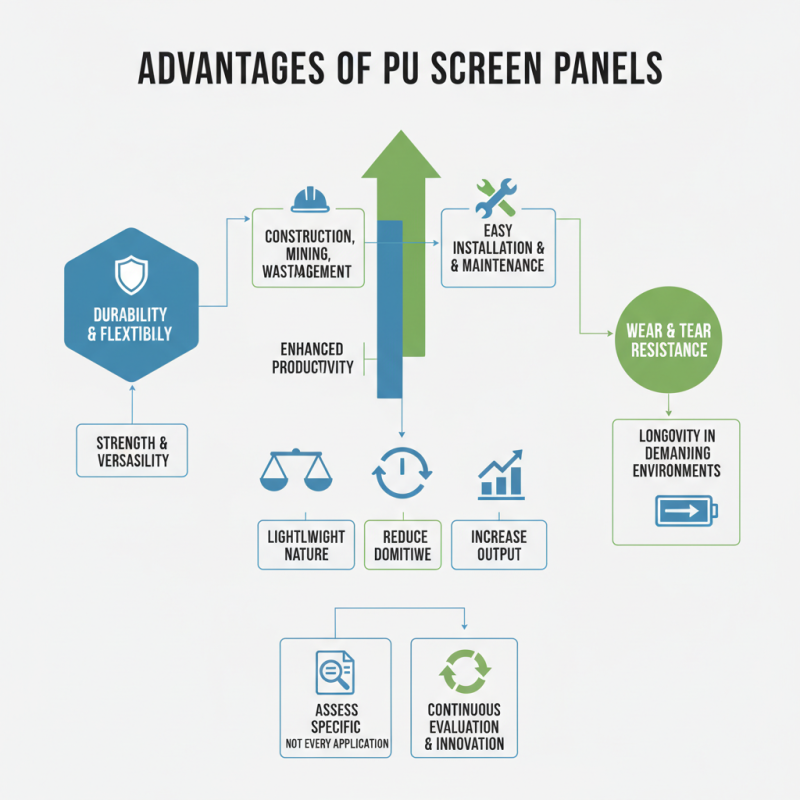
The use of Pu Screen Panel offers numerous benefits across various industries. These panels are increasingly popular due to their strength and versatility. Made from polyurethane, they boast remarkable durability and flexibility. This innovation addresses challenges faced in construction, mining, and waste management.
Finding the right screening solution can be daunting. Pu Screen Panels provide a reliable option that can enhance productivity. Their lightweight nature allows for easy installation and maintenance. Additionally, they resist wear and tear, ensuring longevity in demanding environments.
Incorporating Pu Screen Panels can lead to improved efficiency. Companies can reduce downtime and increase output. However, it’s essential to assess specific needs before adopting this technology. Not every application may benefit equally from these panels. Continuous evaluation and innovation are needed to fully harness their advantages.
Advantages of Lightweight Structure in Pu Screen Panels
Pu screen panels have become increasingly popular due to their lightweight structure. This design significantly reduces the load on supporting structures. According to industry reports, a lighter panel can decrease the overall weight of installations by up to 40%. This reduction can lower material costs and operational expenses.
In construction and manufacturing, the ease of handling lighter panels cannot be overlooked. Workers can transport and install these panels with less effort, thus minimizing the risk of injury. A survey from the Safety Council indicated that lighter materials lead to a reduction in on-site accidents by 25%. Installing lightweight panels can improve efficiency and productivity. However, it is essential to ensure that lighter does not mean less durable, as the strength of the material must still meet industry standards.
While lightweight structures offer various advantages, they also raise questions about long-term performance and stability. Cost-cutting measures can sometimes lead to compromised quality. It’s vital to balance weight with the required strength for specific applications. Innovations in material science are necessary to enhance durability without significantly increasing weight. Understanding the trade-offs is essential for optimal use of Pu screen panels in various applications.
Durability and Resistance of Pu Screen Panels Compared to Alternatives
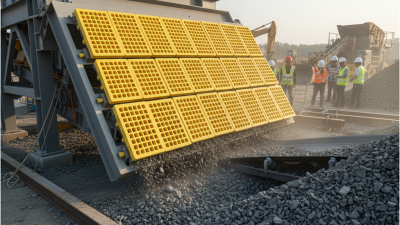
Pu screen panels stand out for their exceptional durability. Made from high-quality materials, they resist wear and tear, making them suitable for various environments. Construction sites, outdoor events, or mining operations often demand tough equipment. Pu screens prove effective in handling abrasive materials and heavy loads, ensuring longevity.
Compared to alternatives, their resistance to harsh weather conditions is noteworthy. Rain, sun, and wind rarely compromise their integrity. While some materials can degrade or warp, Pu panels maintain their shape and performance. Users notice less frequent replacements, contributing to lower long-term costs.
Nevertheless, it's essential to choose the right application for Pu screens. In some cases, flexibility might be more critical than sturdiness. Evaluating specific needs is crucial for optimal performance. Users must weigh the benefits against potential drawbacks. This ensures informed decisions that maximize the advantages of Pu screen panels.
Advantages of Using PU Screen Panels
PU screen panels offer several advantages such as high durability, robust chemical and wear resistance, UV stability, and enhanced installation convenience. The chart above illustrates the relative strengths of these benefits on a scale from 1 to 10.
Cost-Effectiveness of Pu Screen Panels in Various Applications
Pu screen panels are gaining popularity due to their cost-effectiveness in various applications. These panels are made from polyurethane, providing durability and resistance to wear. Their lightweight nature reduces shipping and installation costs. In industrial environments, Pu screen panels can significantly lower operational expenses. The initial investment might seem high, but the long-term savings are considerable.
Installation costs are often lower as well. The lightweight panels can be handled easily, reducing labor time. Maintenance is simplified too, as they withstand harsh conditions better than traditional materials. This reliability reduces downtime, allowing operations to run smoothly. Over time, businesses can see a substantial reduction in replacement costs.
However, it's essential to consider specific project requirements. Not all applications may benefit equally from Pu screen panels. Their performance can vary based on environmental factors and load conditions. Therefore, it's critical to evaluate whether these panels align with specific use cases. While they offer many advantages, careful planning is key to maximizing their benefits.
Ease of Installation and Maintenance for Pu Screen Panels
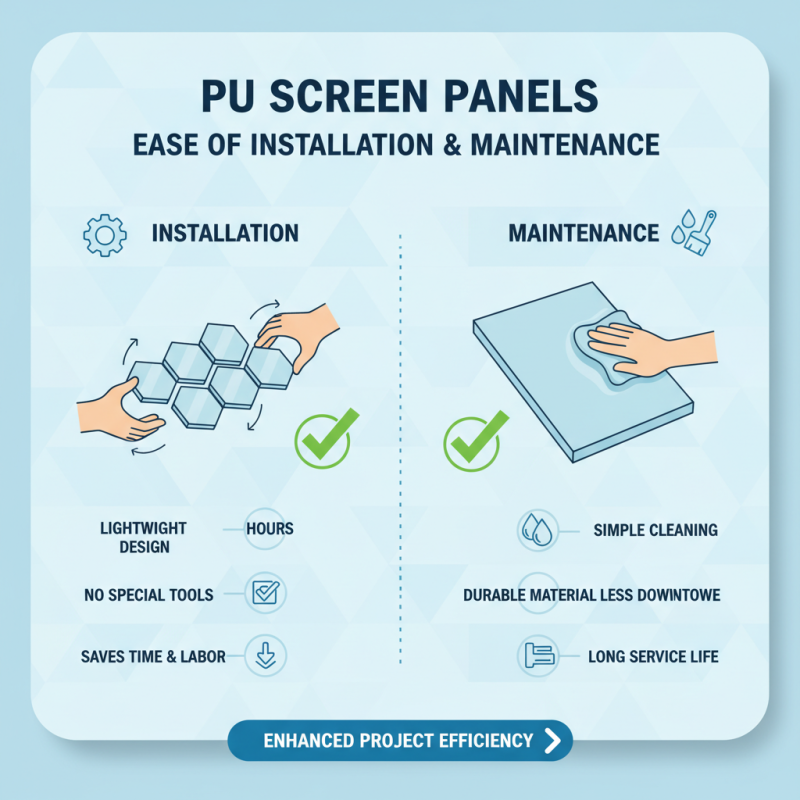
Pu screen panels have gained popularity for their ease of installation and maintenance. These panels are lightweight and designed for quick setup, making them ideal for various applications. No special tools are required, and most users can complete the installation within hours, saving both time and labor costs. This user-friendly approach enhances efficiency in projects, reducing delays often seen with more complex systems.
Maintenance of Pu screen panels is straightforward. Regular cleaning is all that’s needed to keep them functioning optimally. Occasional inspections for wear and tear can help identify issues early. This simplicity allows operators to focus on important tasks rather than struggles with equipment upkeep. It’s a practical choice for busy environments where minimizing downtime is crucial.
**Tip:** Regularly check the screens for debris. Small blockages can lead to reduced performance over time, prompting unnecessary repairs.
**Tip:** Use a soft brush for cleaning. This helps avoid scratching the panels, ensuring their longevity while maintaining appearance.
Making careful choices about installation and ongoing care can lead to a rewarding experience with Pu screen panels. Consider how these factors apply to your specific needs to optimize their benefits.
Environmental Impact and Sustainability of Using Pu Screen Panels
The use of PU screen panels presents numerous environmental benefits.
These panels are produced using sustainable materials, which reduces the carbon footprint of manufacturing. Reports indicate that using PU panels can
lower energy consumption by up to 30% compared to traditional materials. This significant reduction contributes to environmental sustainability.
Moreover, PU screen panels are lightweight. This characteristic minimizes transportation emissions, leading to a lower overall carbon output during logistics. Many industries are now prioritizing materials that have less impact on the planet. The ease of recycling PU panels enhances their appeal.
Research shows that 80% of PU materials can be recycled effectively.
However, there are challenges to consider. The production of PU materials may still involve chemical processes that produce waste. The lifecycle of these panels can lead to environmental concerns if not managed properly. Further reflection on disposal practices is essential for reducing their ecological impact. Stricter regulations and industry standards can help guide the future of PU panel production.
 No. 14, Building 2, No. 367 Beijing Road, Chengdu Economic and Technological Development Zone (Longquanyi District)